
Uncategorized
GDP-compliant warehouses for the pharmaceutical industry and the cold chain. Construction requirements for cold storage facilities
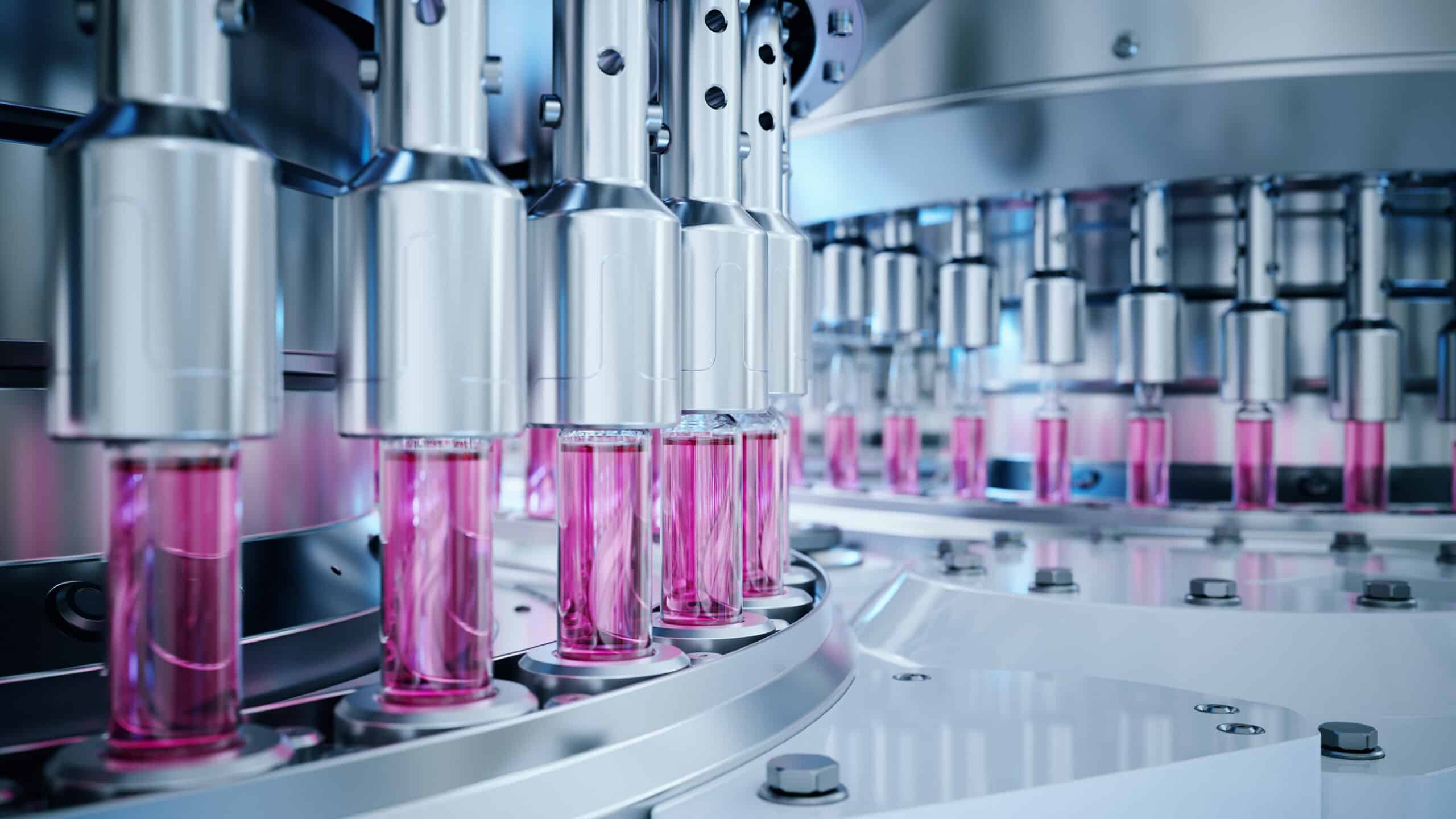
A pharmaceutical warehouse that complies with GDP requirements necessitates advanced engineering solutions that ensure stable climatic conditions. Key infrastructure elements include strict temperature and humidity control, reduced risk of failure thanks to redundant HVAC systems, guaranteed operational continuity through emergency power supplied by generators, and airtight loading via Cold Lock docking zones. The developer 7R provides dedicated cold storage and frozen storage facilities built under the BTS and BTO models.
| Technical Specification | Standard warehouse | GDP, a Specialized Pharmaceutical Magazine |
| Temperature ranges | typically +5°C to +25°C (without strict control) | strict temperature ranges: +2°C to +8°C or +15°C to +25°C |
| Redundancy in HVAC Systems | a single heating and ventilation system | full redundancy (1+1 or N+1 configurations) |
| Emergency Power Supply | basic network connection | Dedicated power generators with auto-start |
| Loading Area | Standard docks with sealing flanges | Cold Lock dock shelters that protect against temperature changes |
| Thermal Insulation | standard sandwich panel | Thick panels with a PIR or polyurethane core, elimination of thermal bridges |
| Condition Monitoring | basic BMS system | Continuous, qualified monitoring with a 24/7 alert notification system |
Protecting the Cold Chain Against Power Outages
The storage of pharmaceuticals, medical devices, and fresh food products requires the cold chain to be maintained at all times. Any deviation in temperature from the specified standards can result in the loss of the therapeutic properties of medications and the destruction of the entire batch of goods.
To ensure strict compliance with GDP standards, the building's infrastructure must be prepared for emergency situations:
- The use of dual HVAC systems in an N+1 or 1+1 configuration ensures that the required temperature is maintained in the event of a failure of one of the units.
- Automation systems automatically start industrial generators when a power outage is detected in the municipal grid.
- Loading bays prevent warm air from outside from entering the warehouse during unloading.
- A dense network of sensors distributed across all storage levels continuously monitors temperature and humidity, immediately generating alerts in the event of deviations.
Design and Construction of Cold Storage Facilities Under the BTS and BTO Models
Investments in the pharmaceutical industry are characterized by a high degree of technological complexity, which is why they are rarely undertaken on a speculative basis. The developer 7R offers to build facilities under the Build-to-Suit (BTS) or Build-to-Own (BTO) models, tailoring every engineering parameter to the tenant’s requirements.
When constructing specialized cold storage facilities, the careful selection of materials and architectural solutions is of key importance:
- Elimination of thermal bridges. Proper connections between extra-thick sandwich panels with a PIR core ensure that heat loss is minimized.
- Specialized flooring. Airtight, dust-free flooring with additional thermal insulation prevents the ground beneath cold storage facilities from freezing.
- Certified validation process – the building is designed to ensure that the installation qualification and temperature mapping validation procedures can be completed without any issues.
FAQ
What are the best cold storage facilities for rent in Poland?
Where can I rent a pharmaceutical warehouse that meets GDP standards?
How does a GDP-compliant warehouse differ from a regular warehouse?
Is it possible to build a freezer for storing deep-frozen medications in 7R warehouses?
About the author
Author's Bio

Read more
Related articles
 Article
Urban Last-Mile Logistics. How do SBU’s urban warehouses reduce delivery times in metropolitan areas?
 Article
Decarbonization and ESG Standards (7R Green Saver) vs. Operating Costs of Industrial Facilities
 Article