
Blog posts
Industry 4.0 and Nearshoring in Poland. How Are Foreign Manufacturing Companies Adapting Light Industrial Space Under the BTO Model?
International manufacturing companies relocating their facilities as part of nearshoring in 2026 are increasingly opting for the BTO (Built-to-Own) model (BTO)Built-to-Own (BTO) is a model for commercial real estate projects—warehouse or manufacturing facilities—in which a developer designs and builds a facility directly for the client’s ownership. Under this model, the investor becomes the sole owner of the property upon completion of construction, financing the entire project with its own funds or a bank loan.Read the full definition →, i.e., Build-to-Own. This approach allows investors to acquire a state-of-the-art factory or light industrial facility designed precisely around their individual Industry 4.0 production line, while simultaneously taking ownership of the property upon completion of construction. An experienced engineering partner, such as 7R SA, assumes all administrative and construction risks, delivering a zero-emission, custom-built, “turnkey” industrial facility.
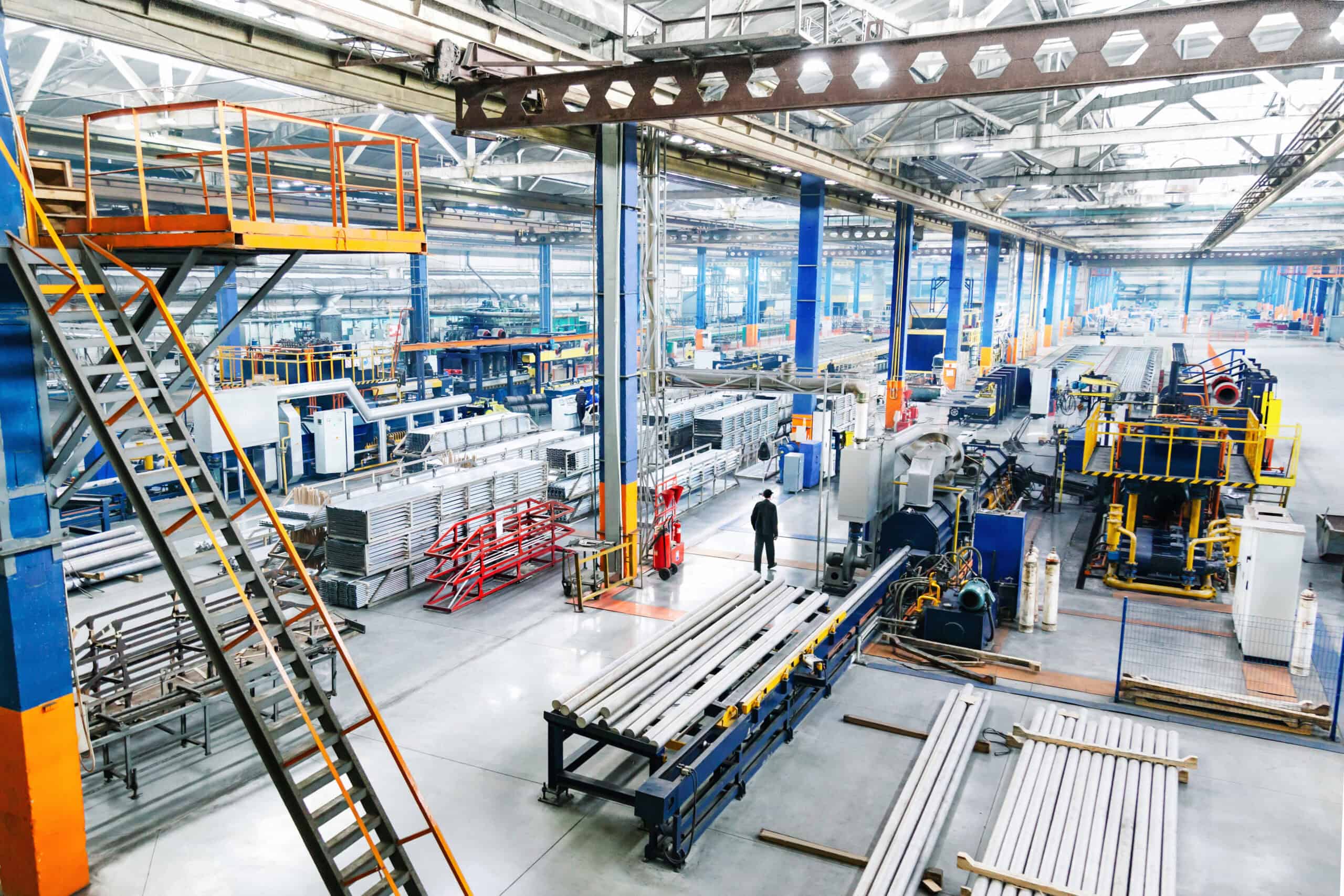
Fully tailored to production processes…
…allows the facility to be designed in accordance with the investor’s specific technical requirements.
Real estate ownership in the BTO model…
…ensures long-term control over the asset and the freedom to develop it in the future.
Comprehensive project implementation…
…covers the entire process, from land acquisition and design to construction and final inspection.
Energy-efficient solutions and ESG standards…
…help reduce operating costs and the facility’s carbon footprint.
A global reassessment of supply chains, rising freight costs, and the EU’s climate regulations have made Poland one of the most important locations on Europe’s industrial map. Foreign manufacturing companies are faced with the choice of an optimal financial and ownership model. For advanced manufacturing operations (automotive, electronics, R&D, pharmaceuticals), traditional leasing is increasingly giving way to the BTO (Build-to-Own) model.
Why do manufacturing investors choose the BTO model in Poland?
The BTO model involves entrusting an experienced developer (acting as an engineering partner and general contractor) with the entire process—from acquiring and verifying the land, through architectural design and securing power allocations, to construction and technical acceptance. Upon completion of the work, ownership of the building transfers to the investor.
Industrial companies choose BTO for several key reasons:
- Long-term investment horizon. The life cycle of heavy machinery often spans a dozen or so years or several decades. Owning real estate is part of the company’s long-term strategy for depreciating its assets.
- No technological compromises, because a building designed from the very first sketch for a specific production line eliminates the risk of ill-suited adaptations in off-the-shelf, speculative facilities.
- Transfer of development risk. By choosing this approach, a foreign investor does not have to build its own development structures in Poland from scratch. A developer, such as 7R SA, takes on the administrative procedures, environmental permits, and oversight of subcontractors.
Adapting Light Industrial facilities to meet the stringent requirements of production lines
Advanced Industry 4.0 facilities place uncompromising demands on building engineering. The BTO construction model allows for the precise implementation of the technical parameters necessary for seamless production:
- Floor Flatness and Strength (FM1 / DIN 18202). The installation of CNC machine tools and presses, as well as the operation of autonomous mobile robots (AMR/AGV), requires seamless floors with a load-bearing capacity of 7–10+ metric tons per square meter and strict flatness requirements.
- High electricity and renewable energy allocations, as production lines generate multi-megawatt electricity demands. BTO buildings are designed with their own transformer stations and roofs fully equipped for photovoltaic installations.
- Occupational safety and health standards and microclimate. Permanent workstations must have natural daylight (at least 12.5%), frequent air changes, and emission-free heating based on industrial heat pumps ( 7R Green Saver standard).
Advantages of the BTO model over the traditional purchase of a ready-made warehouse
Instead of purchasing an existing, multi-purpose facility on the secondary market and incurring high renovation costs, industrial investors choose BTO because of the following benefits:
- 100% compatibility with the production line and no restrictions resulting from fixed column spacing or storage height—the hall’s dimensions are tailored to the machines’ dimensions.
- No hidden adaptation costs. All systems (compressed air, process cooling, crane zones) are designed and costed during the preliminary phase.
- Guaranteed compliance with ESG standards and the EU Taxonomy. The building meets BREEAM requirements from the ground up .BREEAM (Building Research Establishment Environmental Assessment Method) is one of the world’s most important and widely recognized methods for the multi-criteria assessment of buildings in terms of sustainability, environmental performance, and occupant comfort. BREEAM certification confirms that the warehouse facility was designed and constructed in accordance with rigorous environmental standards.Read the full definition → at the Excellent or Outstanding level, making it easier for the investor to report its carbon footprint (Scope 1 and 2).
- Legal and land security guaranteed by the developer, who verifies the Local Land Use Plan (MPZP) and obtains environmental permits before work begins.
- A lower TCO, supported by the use of zero-emission heat pumps, a smart BMS, and solar panels, drastically reduces utility bills over the factory’s long-term operation.
FAQ – Frequently Asked Questions About BTO Projects and Industrial Space
About the author
Author's Bio

Read more
Related articles
 Article
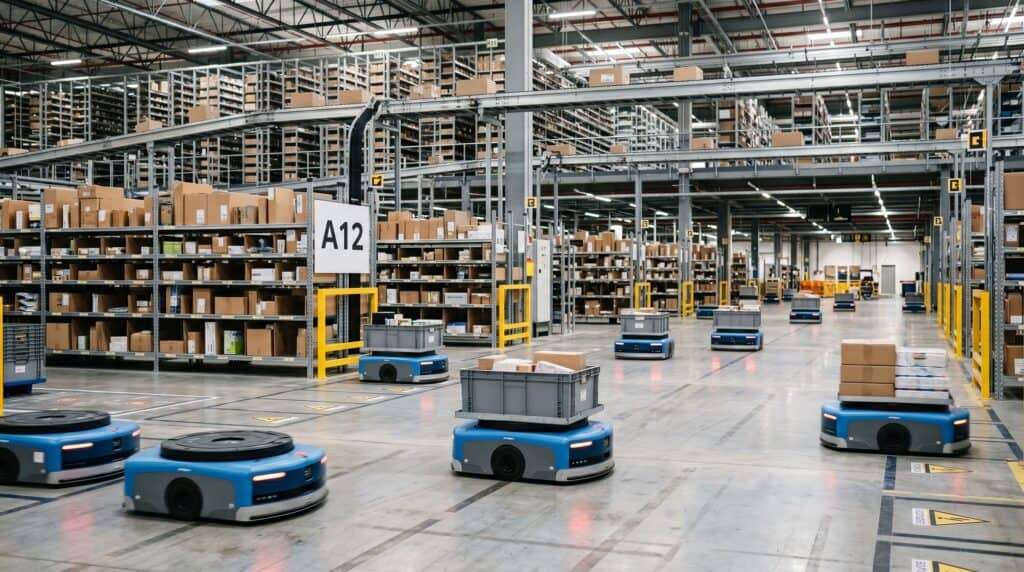
Warehouse Process Automation vs. Building Code Requirements: How to Prepare a Warehouse for AS/RS Systems and AMR Mobile Robots?
 Article
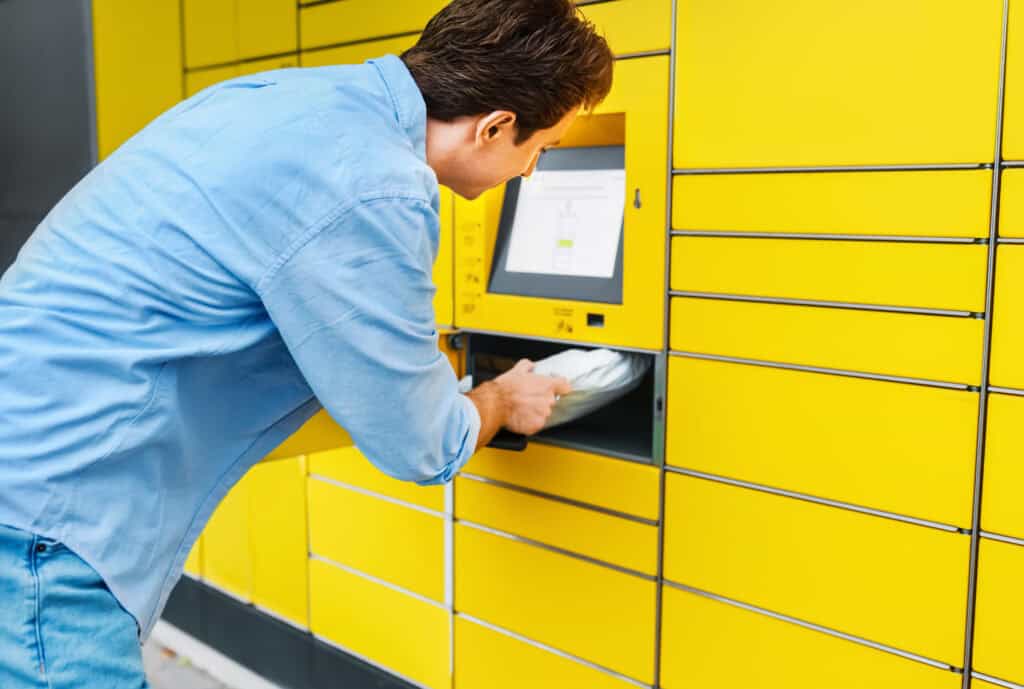
Return Logistics in E-commerce. Where and How to Set Up a Returns Processing Center in Mazovia?
 Article