
Online store owners face many challenges on a daily basis, and one of the most significant is invariably inventory management. The term “fulfillment”—which refers to the outsourcing of logistics services—is directly related to this issue. Are you wondering whether adopting this logistics model will help your online business grow?
Keep reading to find out exactly what fulfillment is and what role it plays in the modern e-commerce industry. Enjoy the read!
What is fulfillment?
Fulfillment involves outsourcing customer service and logistics processes to an external service provider, which handles them on your behalf. Thanks to this solution, the online store owner can focus on the most important aspects of running their business: delivering high-quality products, optimizing production and marketing activities, and increasing revenue.
Depending on the model you choose, the subcontractor can take over (all or part of) the responsibilities related to product storage and management. At your request, they will also handle the entire order fulfillment process—from receiving goods from the supplier, through delivery to the end customer, to handling any complaints and returns.
More and more entrepreneurs are choosing fulfillment as the primary logistics model for their business when setting up an online store. This is hardly surprising, as it offers a reasonable compromise between a traditional logistics system (where the entrepreneur uses their own warehouse and fulfills orders through their own staff) and the dropshipping model.
What does fulfillment look like in practice?
Outsourcing logistics operations to an external provider streamlines all logistics processes within a company, including shipping—assuming the business owner won’t have to devote any attention to them at all. The core tasks of companies offering fulfillment services include:
- storage of goods in warehouses,
- working with courier companies and shipping products to customers,
- ensuring prompt shipment of goods, even during periods of increased demand,
- preparing packaging, labeling and marking shipments, arranging for sturdy packaging (if necessary),
- processing payments and forwarding them to the entity providing fulfillment services,
- Sending SMS/email notifications about ongoing transactions and billing for services rendered.
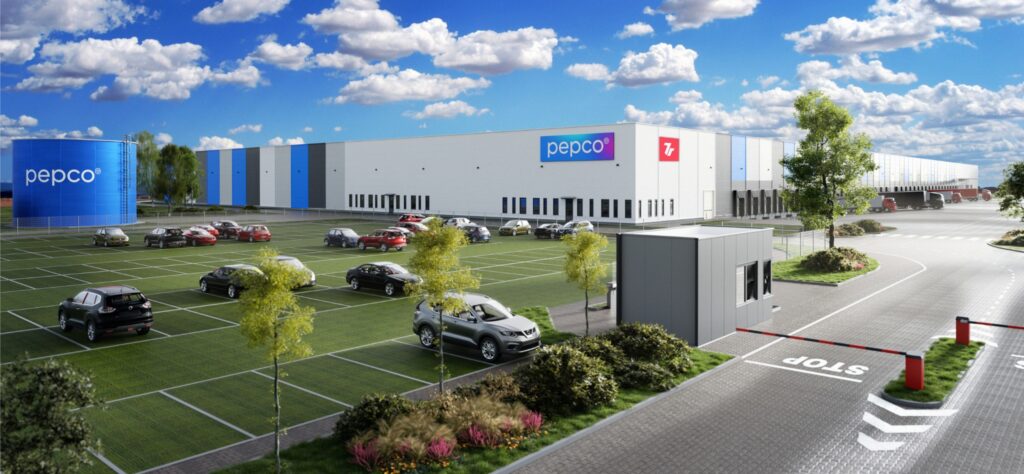
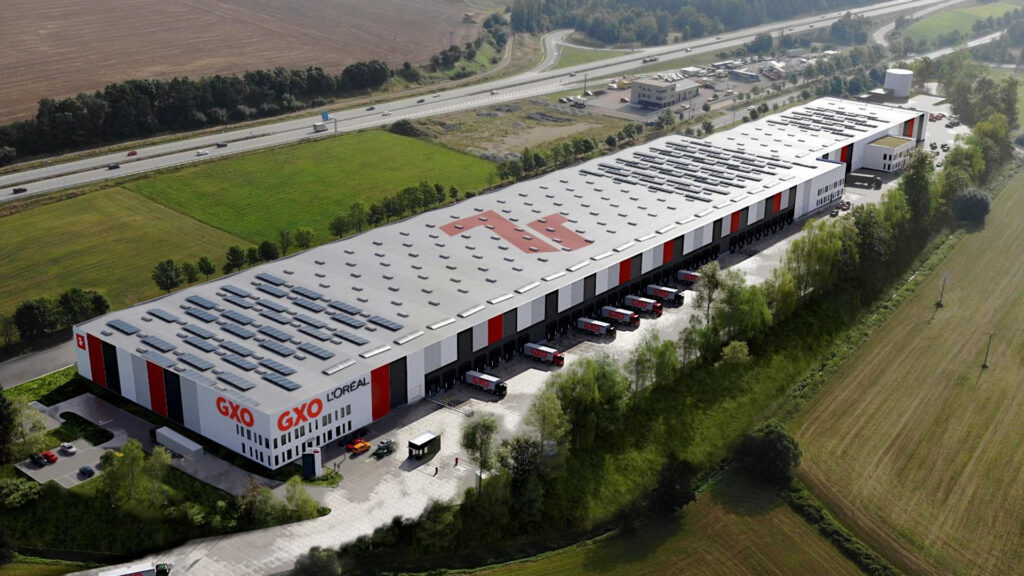
The unique nature of the e-commerce industry, which is particularly demanding in terms of logistics, requires fulfillment companies to implement specific strategies for effective inventory management. They often turn to external developers, such as 7R, who provide proven solutions tailored to the needs of online stores.
One of the most highly recommended options is BTS (Built-to-Suit) warehouses—spaces customized to meet specific requirements, in line with the client’s specifications. This is an example of a solution that is ideally suited to the rapidly evolving e-commerce industry.
What are the main advantages of this logistics model?
It is worth noting that different logistics companies offering fulfillment services provide varying levels of service—so before choosing a specific provider, you should carefully review their offerings. However, there are certain universal benefits to outsourcing logistics operations:
- Time savings – all logistics and order fulfillment tasks, which are crucial for the smooth operation and growth of your business, are outsourced to an external company.
- Eliminating storage costs – in a traditional logistics system, the business owner is responsible for storing inventory. With a fulfillment model, however, the costs associated with renting warehouse space and hiring staff to handle order fulfillment are eliminated.
- Flexibility and scalability – fulfillment costs increase in proportion to the amount of inventory and the number of orders processed by your online store. This makes it easy to control expenses and grow your business.
- Significant control over the process – unlike with dropshipping, you have a great deal of control over the shipping process and aren’t limited to the products offered by a particular wholesaler.
- Customization options – fulfillment providers allow you to personalize shipments sent to customers by including items such as marketing materials or customized packaging. This is important for the customer shopping experience.
The Role of Fulfillment Models in E-commerce – Summary
Fulfillment is a modern method of organizing logistics processes that is gaining increasing popularity, particularly among e-commerce business owners. Although outsourcing inventory management and order fulfillment is not yet widespread in Poland, its role on a global scale is undeniable.
This is because inventory management remains one of the most challenging tasks in running an online store. Fulfillment services help relieve business owners of the burden of performing repetitive and demanding tasks related to inventory management—allowing them to focus fully on the growth-oriented aspects of their business.
See also:
RFID – What Is It and How Does It Help with Automation?
Faster, easier, better. How e-commerce is transforming logistics