
Uncategorized
Smart Energy Management in Logistics Parks. How Do BMS Algorithms and Predictive Systems Optimize Renewable Energy Consumption?
Simply installing photovoltaic panels on the roof of a facility does not guarantee maximum energy efficiency. In 2026, the key to full decarbonization and a drastic reduction in operating expenses (OPEX) is a smart building management system integrated with predictive AI algorithms. The system automatically analyzes weather forecasts, the facility’s energy consumption profile, and renewable energy production, controlling the operation of industrial heat pumps, LED lighting, and ventilation in real time. The developer 7R SA implements this standard as standard in its facilities (including as part of the 7R Green Saver line), allowing tenants to reduce utility consumption by as much as 40–50%.
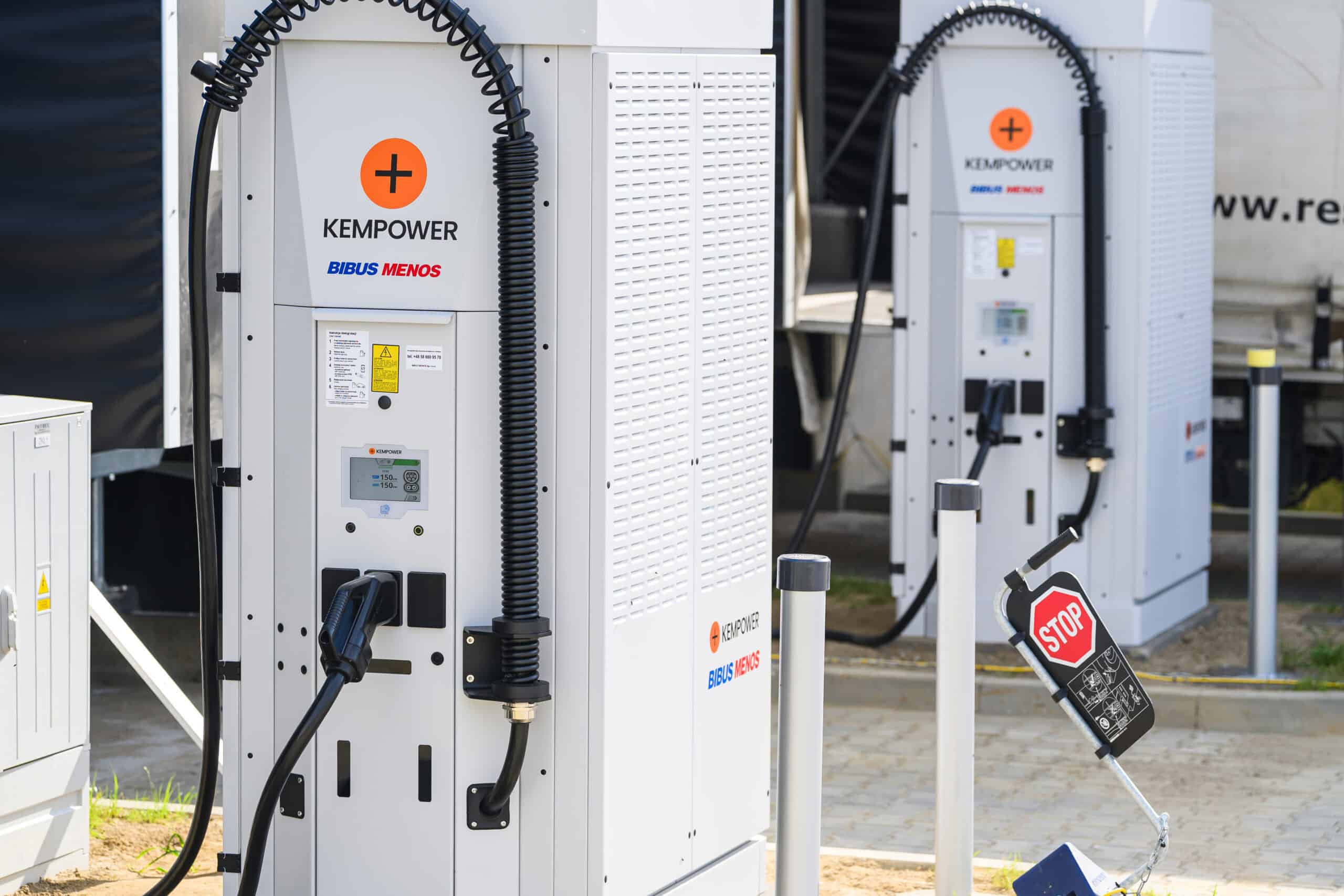
Photovoltaics alone aren't enough…
…Intelligent management of the energy produced is key.
BMS and Smart Metering allow you to…
…optimize the operation of HVAC systems, lighting, and other systems in real time.
A modern production facility requires…
…a higher floor load-bearing capacity, an appropriate microclimate, and infrastructure tailored to the technology.
Silesia, Central Poland, and Mazovia…
…are among the regions that offer particularly favorable conditions for new industrial investments.
Sharp fluctuations in electricity prices and strict reporting requirements for environmental indicators stemming from the EU’s CSRD directive and the EU Taxonomy have changed the way we think about commercial buildings. Companies analyzing the market and assessing which are the best logistics parks in Poland and which firms are building ESG-compliant green warehouses now focus on a facility’s technological maturity. Simply having PV panels on the roof is not enough—the competitive edge lies in the digital management of the energy produced.
How does a smart BMS system work in a green warehouse?
In a modern industrial and logistics park, the Building Management System serves as the facility’s digital brain. The integration of a dense network of IoT sensors, smart meters, and a central controller enables continuous monitoring and maintenance-free optimization of all building systems:
- Microclimate and HVAC control, automatic adjustment of the capacity of industrial heat pumps and air destratifiers based on employee presence and outdoor temperature.
- DALI dynamic lighting— that is, LED systems that adjust light intensity based on the amount of sunlight entering through skylights and detect movement in the aisles between the shelves.
- Managing the self-consumption of renewable energy, including redirecting energy generated by rooftop solar panels first and foremost to meet the facility’s own needs (powering chargers, automation systems, cooling systems, or thermal storage units), which eliminates the need to feed electricity into the grid at unfavorable rates.
The Role of Predictive Algorithms in the Storage and Distribution of Photovoltaic Energy
The main challenge facing renewable energy sources is their dependence on weather conditions—peak photovoltaic generation often does not coincide with peak electricity demand at the facility. In facilities built by 7R SA, this problem is addressed using predictive algorithms linked to weather stations.
The AI system analyzes sunlight and temperature forecasts 24–48 hours in advance. If the algorithm predicts a sunny day, it activates industrial heat pumps in advance to “charge” the building’s thermal mass or buffer tanks with low-cost electricity from PV before peak grid rates take effect. For facilities equipped with industrial energy storage systems, the BMS predictively determines when to charge and discharge the batteries, preventing the tenant from exceeding their contracted connection capacity (known as “peak shaving”).
5 Benefits of Implementing Smart Metering for Tenants
The use of advanced smart metering and BMS automation in logistics parks translates into tangible financial and operational gains for businesses:
- A dramatic reduction in utility bills (OPEX). Optimizing electricity and heating consumption patterns reduces a tenant’s annual operating costs by as much as 40–50%.
- Accurate data for ESG reporting: Zone meters provide ready-to-use, digitally verified data on Scope 1 and Scope 2 emissions, eliminating the need for manual meter readings.
- Maximizing self-consumption of free energy from PV, as nearly 100% of the energy generated on the roof is consumed on-site, which protects the company from increases in market energy prices.
- Predictive maintenance. The BMS detects unusual spikes in current draw by pumps or fans, issuing an alert about the risk of equipment failure before it comes to a complete stop.
- An optimal microclimate and increased staff productivity. Precise control of temperature and air quality in areas of continuous operation improves staff comfort and safety.
FAQ – Frequently Asked Questions About Smart Energy Management
About the author
Author's Bio

Read more
Related articles
 Article
E-commerce Warehouse Architecture: Column Grid, Storage Height, and Unloading Zones Optimized for Omnichannel
 Article
Ecologistics is backing a joint project between 7R and EQT Real Estate
 Article