
Blog posts
Urban Last-Mile Logistics. How do SBU’s urban warehouses reduce delivery times in metropolitan areas?
Urban last-mile logistics relies on bringing goods closer to the end consumer through the use of urban warehouses known as Small BusinessUnits (SBU) (SBU)Small Business Unit (SBU) is a flexible warehouse module with a smaller floor area (typically between 300 and 1,500 m²), combined with high-end office space or a prestigious showroom. SBU facilities are typically located within the boundaries of major cities, providing an ideal solution for last-mile logistics, e-commerce, and SMEs.Read the full definition → and infill facilities. Building a hub within a metropolitan area reduces same-day delivery times by up to 60%, lowers fuel costs for the courier fleet, and allows for the combination of a prestigious office with flexible logistics facilities. 7R’s modern urban parks provide infrastructure tailored for charging electric vehicles and modules available for lease starting at 500 m².
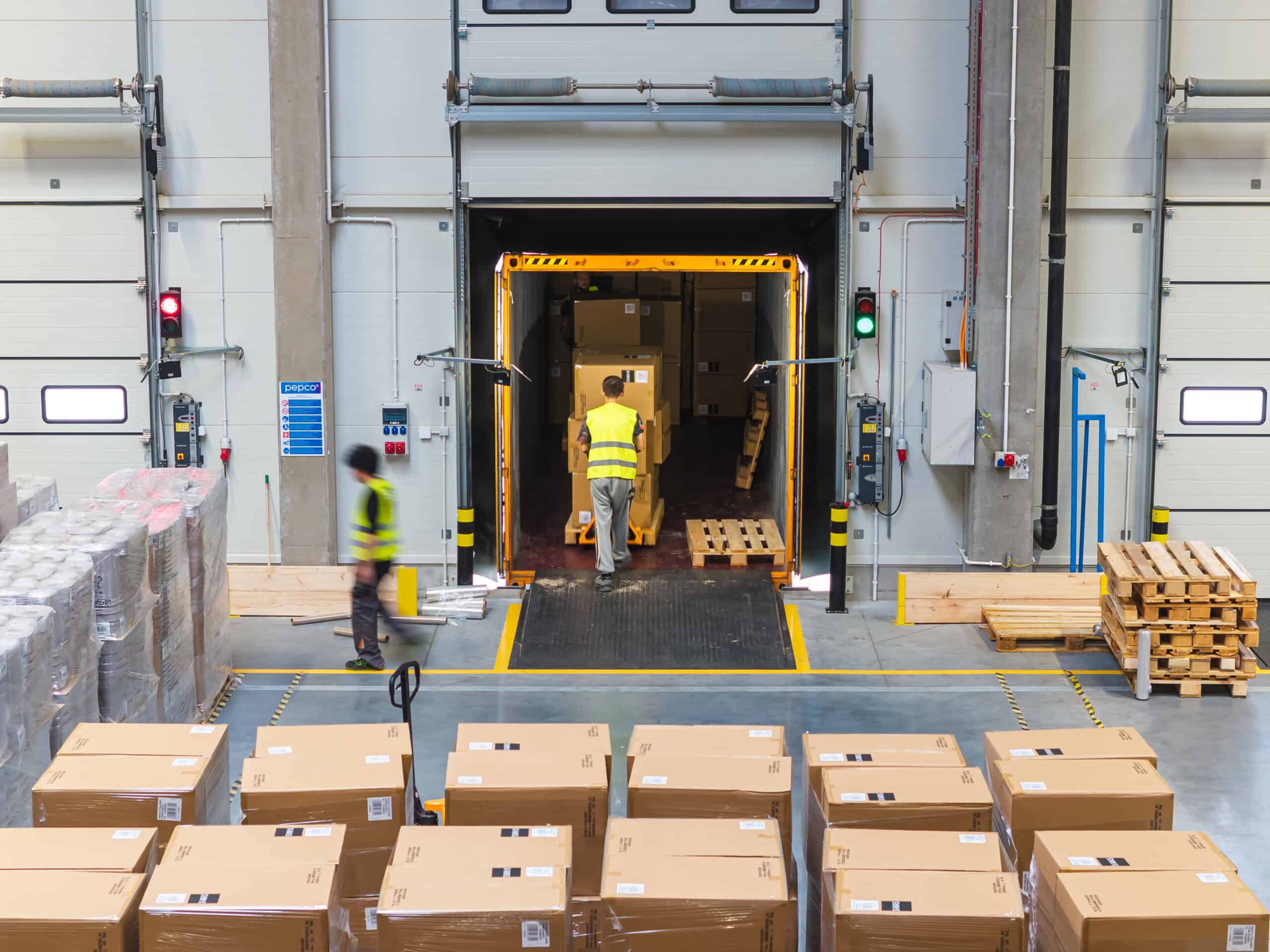
| Operating parameter | Standard Suburban Warehouse | SBU City Warehouse in 7R Park |
| Location and Directions | outside the city limits, at highway interchanges | within the urban area, close to the city center and the transportation network |
| Average delivery time to the customer | 24 to 48 hours after placing the order | Same-Day Delivery within a few hours |
| Minimum Leasable Area | usually 2,500 m² or more | Flexible modules starting at 500 m² |
| Office Space Standards | facilities for warehouse staff | prestigious Class A office spaces combined with a warehouse |
| Transport Fleet Management | tractor-trailers (TIR) | delivery vans, electric cars, and cargo bikes |
| Staff availability | Own transportation or company transportation is required | Excellent access to public transportation and stops |
The Role of SBU Urban Hubs in Reducing Last-Mile Delivery Costs
The last mile is considered the most expensive and most complex stage in the entire supply chain. Increasing urban traffic congestion, the introduction of low-emission zones, and rising consumer expectations for lightning-fast order fulfillment are forcing companies to reorganize their distribution infrastructure.
The location of a logistics center on the outskirts of the city causes significant delays due to the need to navigate traffic jams every day when entering the metropolitan area. SBU-type urban warehouses, built within the boundaries of large metropolitan areas, allow this distance to be drastically reduced:
- Reduced travel time. The shorter distance between the warehouse shelf and the recipient's door allows couriers to make more deliveries during a single shift.
- Fewer kilometers driven in city traffic jams directly translate into lower fuel consumption and reduced greenhouse gas emissions.
- Proximity to customers makes it possible to handle deliveries using light electric vehicles, which require dedicated charging stations on the park’s premises.
A combination of Class A office space and flexible warehouse space
SBU-format facilities designed by 7R meet the needs of companies seeking multifunctional space in a prestigious location. This is an optimal solution for the e-commerce industry, service companies, sales offices, and light manufacturing companies.
Choosing an urban warehouse park offers tenants a number of organizational benefits:
- Modular flexibility: warehouse modules available for rent starting at several hundred square meters allow for seamless scaling of your business as your operations grow.
- High-standard office space: a professional environment for the sales, customer service, and maintenance teams is directly connected to the warehouse facilities.
- Vehicle charging infrastructure: Charging stations for delivery vehicles support zero-emission transportation in clean transportation zones.
- Workforce Availability: The proximity to public transportation stops makes it easier to recruit qualified office and warehouse staff.
7R Strategic Urban Parks in Key Metropolitan Areas
The development of warehouse infrastructure within city limits requires careful selection of land. The developer 7R carries out urban infill projects, utilizing well-connected plots within Poland’s largest metropolitan areas, such as Warsaw, the Silesian Metropolitan Area, Wrocław, Kraków, and Poznań.
These facilities are built in accordance with the highest standards of sustainable construction. As with large-scale logistics parks, urban buildings are equipped with eco-friendly heat pumps, photovoltaic systems, rainwater recovery systems, and advanced BMS controls. As a result, tenants benefit not only from an excellent location that supports sales but also from low operating costs and the opportunity to achieve their own environmental goals.
FAQ
About the author
Author's Bio

Read more
Related articles
 Article
Ecologistics is backing a joint project between 7R and EQT Real Estate
 Article
GDP-compliant warehouses for the pharmaceutical industry and the cold chain. Construction requirements for cold storage facilities
 Article