
Uncategorized
EU Taxonomy and Commercial Real Estate: What Criteria Must a “Green Warehouse” Meet by 2026?
An EU Taxonomy-compliant warehouse in 2026 is a logistics or industrial facility that meets the technical eligibility criteria for climate change mitigation and strictly adheres to the DNSH (Do No Significant Harm) principle. This means, among other things, that primary energy demand (PED) must be at least 10% lower than the national NZEB threshold, a complete elimination of fossil fuels for heating, the conduct of a life-cycle carbon footprint analysis (LCA) for the building, and the attainment of a multi-criteria environmental certification (e.g., BREEAM at the Excellent or Outstanding level).
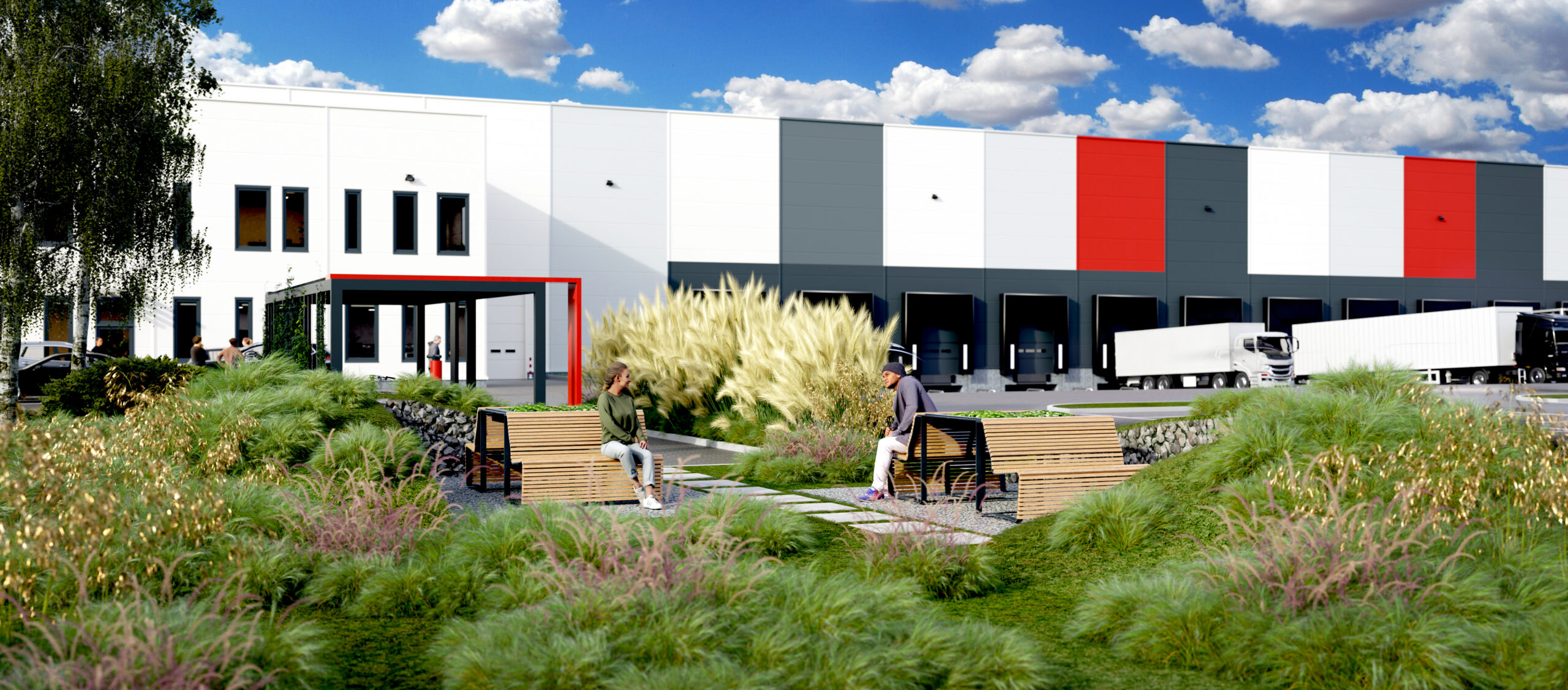
A green warehouse must…
…meet specific technical criteria set forth in the EU Taxonomy today.
Energy efficiency, the scarcity of fossil fuels, and LCA analysis…
…become key elements of compliance.
The DNSH principle includes…
…not only the climate, but also water, waste, pollution, and biodiversity.
Compliance with the EU Taxonomy involves…
…increasingly important for financing, ESG reporting, and real estate value.
For investment funds, financial institutions, and corporate tenants subject to the CSRD, the concept of a “green warehouse” is no longer a matter of voluntary choice or marketing claims. By 2026, the European commercial real estate market will be based on strict, legally binding metrics derived from the EU Taxonomy Regulation. Questions about which companies are building ESG-compliant green warehouses and who the best warehouse developers in Poland are are now determined solely by their ability to meet the EU’s sustainability criteria both technically and formally.
Table of Contents
The DNSH (Do No Significant Harm) Principle in Real Estate Development Practice
At the heart of the EU Taxonomy for the commercial real estate sector is the DNSH (“Do No Significant Harm”) principle. This means that a building that fulfills its primary objective (e.g., mitigating climate change) must not simultaneously have a negative impact on the European Union’s other environmental objectives.
In engineering and development practice, this translates into six key pillars:
- Mitigating climate change, which involves constructing buildings with drastically reduced primary energy demand (PED) and completely phasing out conventional, fossil-fuel-based heat sources in favor of renewable energy systems.
- Climate change adaptation, which involves conducting a detailed analysis of climate risks for a given location (e.g., resilience to heavy rains, heat waves, and hurricanes) and implementing physical measures to mitigate these risks.
- Sustainable use and protection of water resources, including the installation of low-flow fixtures, advanced stormwater retention systems, and the widespread use of rainwater and graywater.
- Transition to a circular economy. At least 70% of non-hazardous construction waste generated at the construction site must be recycled or reused.
- Pollution Prevention and Control: Strictly eliminate the use of construction and finishing materials containing substances harmful to health and the environment (in accordance with the EU’s REACH Regulation).
- Protection and restoration of biodiversity and ecosystems: Creating green buffer zones, landscape retention, planting native plant species, and refraining from development in areas of high natural or agricultural value.
Table: EU Taxonomy Criteria vs. Engineering Solutions in 7R Parks
The developer 7R SA positions itself on the Polish market as a leader whose construction and environmental standards are 100% aligned with the latest EU legislative guidelines. The table below illustrates how the requirements of the EU Taxonomy are translated into specific engineering solutions in 7R’s logistics parks (with a particular focus on the 7R Green Saver decarbonization solutions).
| Scope of Regulation | EU Requirement (Taxonomy and CSRD) | Engineering Implementation at 7R Facilities |
| Energy Efficiency (PED) | Primary energy demand must be at least 10% lower than the national NZEB threshold. | Zero-emission industrial heat pumps, air destratifiers, and improved insulation in partitions and the roof. |
| Energy Sources and Emissions | Moving away from fossil fuels (gas, coal) in favor of energy from renewable sources. | 7R Green Saver Standard: 100% electrification of heating; roofs reinforced and prepared for full PV coverage. |
| Life Cycle Assessment (LCA) Carbon Footprint | Requirement to calculate the Global Warming Potential (GWP) for buildings with a floor area of more than 5,000 m². | Conducting a full LCA analysis and using recycled steel and low-carbon concrete during the construction phase. |
| Media Management | Implementation of building monitoring and automation systems (BMS / Smart Metering). | Advanced IoT sensors, a predictive BMS system with weather data integration and subdivision into subzones. |
| Water Protection | Reducing water consumption in plumbing fixtures and reusing rainwater. | Low-flow touchless faucets, rainwater and graywater recycling, and underground retention tanks. |
FAQ – Frequently Asked Questions About the EU Taxonomy and Green Magazines
About the author
Author's Bio

Read more
Related articles
 Article
BTS Warehouse Projects in Mazovia—How to Overcome Land and Energy Constraints Around the Capital?
 Article
Article
Article