
Blog posts
Flexible warehouse space leasing. How can you adapt the SBU module to the seasonal nature of e-commerce?
Effective management of seasonal peaks in e-commerce relies on architectural and locational flexibility. The use of urban SBU (Small Business Unit) modules —a flexible warehouse module with a smaller floor area (typically ranging from 300 to 1,500 m²), combined with high-end office space or a prestigious showroom. SBU facilities are typically located within major cities, providing an ideal solution for last-mile logistics, e-commerce, and SMEs.Read the full definition → As satellite transshipment and order-fulfillment points, they allow for the absorption of volume peaks close to the end consumer, the optimization of fixed costs during periods of lower sales, and the reduction of delivery times in same-day delivery systems.
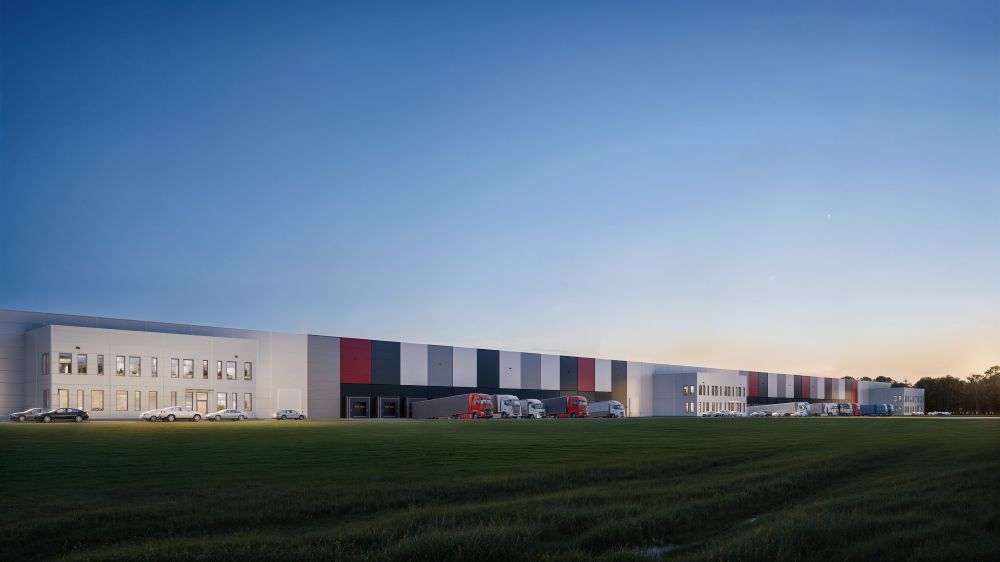
City warehouses…
…they help bridge the gap to the end customer, reduce transportation costs, and increase the actual availability of same-day delivery.
High rent for the space…
…within the city limits of Warsaw, this may be justified by lower overall logistics costs, particularly in e-commerce and quick-commerce operations.
Location near public transportation…
…improves access to employees, reduces transportation costs, and facilitates the stable scaling of operational teams.
The City Park format combines the functions of…
…a warehouse, office, showroom, Click & Collect location, and service center, thereby increasing the flexibility of space utilization.
Managing e-commerce operations requires constant readiness for sudden fluctuations in shipment volume. Sales peaks—such as Q4, Black Friday, Cyber Monday, or spring warehouse clear-outs—present logistics managers with a challenge: how to accommodate a multiplied inventory without maintaining empty, costly square meters for the rest of the year?
In the commercial real estate market of 2026, rigid, large-scale “Big Box” leases are no longer the only option. Flexible, urban “SBU” (Small Business Units) warehouse modules are becoming the solution for companies looking for a modern warehouse to rent in Warsaw.
How can urban warehouses help manage seasonal peaks?
Instead of oversizing the central warehouse and paying for unused space for 8 months of the year, modern e-commerce businesses use a hybrid model. The main inventory is stored in a suburban hub, while peak-season demand is handled directly by smaller, highly functional urban SBU modules located within the Warsaw metropolitan area or on its outskirts.
This model allows companies to minimize operational risk and flexibly adjust the scale of their operations to current market needs without having to take on long-term commitments for large areas.
Checklist for E-commerce Managers: What to Look for Before Renting a Small Module?
A smaller property size does not mean compromising on quality. When selecting an SBU module tailored to the dynamics of online commerce, you should review the specifications in terms of five key operational parameters:
- The ability to combine spaces and the modularity of the floor plan. The hall’s flexible structural layout should allow for the seamless integration of adjacent modules during periods of increased traffic and their easy separation when traffic returns to normal.
- The docking infrastructure is tailored to a courier fleet, as in addition to traditional docks for tractor-trailers (TIR), an e-commerce-dedicated SBU module must have “level 0” gates and dedicated loading bays for vans and delivery trucks, which drastically speeds up the loading of courier routes.
- High-quality offices and break rooms, as the warehouse staff increases significantly with the addition of temporary workers during peak sales periods. Presentable, comfortable, and well-lit break rooms and offices facilitate recruitment and boost the productivity of order-fulfillment teams.
- Optimal volume and floor load-bearing capacity. The clear height (at least 10–12 m) and high floor load-bearing capacity allow for the installation of multi-level platforms (work mezzanines) or high-density racking, which significantly increases storage capacity in a small space.
- Environmentally friendly equipment that reduces operating costs. The use of energy-efficient LED lighting, intelligent building management systems (BMS), and green energy sources protects tenants from high utility bills during the facility’s busiest periods of multi-shift operation.
7R SA fits into this model of flexible support by offering tenants modern, well-connected SBU spaces in the Warsaw area and major metropolitan areas across Poland. As a partner focused on long-term business relationships, 7R provides warehouse modules equipped to the highest technical and environmental (ESG) standards, enabling companies to seamlessly adapt their space to their growth rate.
FAQ – Frequently Asked Questions About SBU Flexible Leasing
About the author
Author's Bio

Read more
Related articles
 Article
Ecologistics is backing a joint project between 7R and EQT Real Estate
 Article
GDP-compliant warehouses for the pharmaceutical industry and the cold chain. Construction requirements for cold storage facilities
 Article