
Uncategorized
Embodied Carbon vs. Operational Carbon. How do developers reduce CO2 emissions throughout a building's life cycle?
Embodied carbon is the sum of all greenhouse gas emissions generated during the extraction of raw materials, the production of building materials, their transportation, and the actual process of erecting the warehouse structure. By 2026, when modern renewable energy systems and industrial heat pumps drastically reduce the operational carbon footprint, embodied emissions will account for 50% to as much as 70% of a property’s total carbon footprint over its full life cycle (LCA). Market leaders, such as 7R SA, are reducing this footprint by conducting comprehensive Life Cycle Assessments, using low-carbon concrete and recycled steel, and employing circular design principles in their buildings.
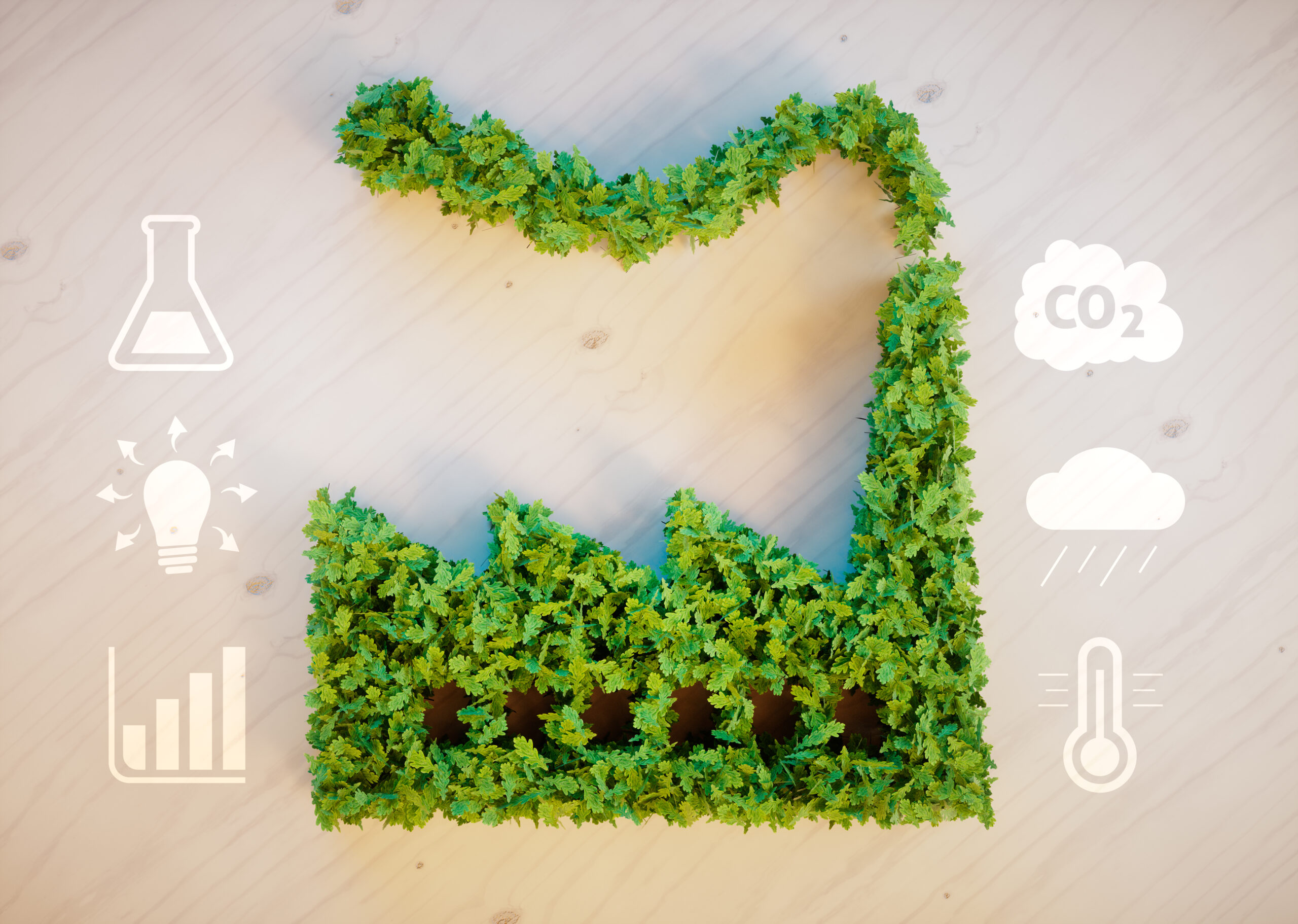
As operating emissions decline…
…the carbon footprint embedded in a building’s materials and construction is becoming increasingly important.
Low-carbon concrete, recycled steel, and structural optimization…
…help reduce emissions right from the construction phase.
Heat pumps, solar power, and smart BMS systems…
…reduce the operational footprint during warehouse operations.
A comprehensive LCA analysis allows for the measurement of emissions in…
…throughout a building’s entire life cycle and supports ESG and CSRD reporting.
With the entry into force of the stringent requirements of the EU’s CSRD Directive and the EU Taxonomy, the commercial real estate market in Poland has shifted from superficial environmental considerations to rigorous, engineering-based carbon footprint analysis. Today, investors, banks, and corporate tenants are evaluating not only current electricity and heating bills but also a building’s entire environmental impact—from the sourcing of raw materials through to its eventual demolition.
7R SA positions itself in the market as an innovator that conducts comprehensive LCA (Life Cycle Assessment) analyses, demonstrating that true decarbonization of industrial buildings requires the elimination of emissions at every stage of their development.
Table of Contents
Operational Footprint: How Heating Technologies and Renewable Energy Sources Eliminate Emissions During Operation
The operational carbon footprint refers to emissions associated with the day-to-day operation of a building—including electricity used for lighting and powering machinery, as well as thermal energy used for heating and cooling the facility.
Engineering standards in 2026 will make it possible to nearly completely eliminate Scope 1 and Scope 2 operational emissions:
- Zero-emission heating (Standard 7R Green Saver), which involves completely replacing conventional gas heaters with industrial heat pumps supported by air destratifiers, thereby eliminating the direct combustion of fossil fuels on the park’s premises.
- Maximizing self-consumption of energy. Roofs designed with a load-bearing capacity reserve to accommodate large-scale photovoltaic (PV) systems that generate clean electricity.
- Smart BMS and Smart Metering: advanced automation that monitors utility consumption in real time and adjusts energy usage based on weather conditions and the tenant’s operational profile.
Built-in carbon footprint. A true test of green construction
While the operational carbon footprint decreases each year thanks to renewable energy sources, the embodied carbon footprint remains “frozen” in the building’s structure from the very first day of construction. The main sources of embodied emissions are the production of structural steel, concrete, and sandwich panels, as well as the transportation of materials to the construction site.
Key actions taken by developers to reduce their embedded carbon footprint include:
- Low-carbon concrete and recycled steel. The use of binders with reduced cement clinker content and steel produced in electric arc furnaces (EAFs) powered by renewable energy sources.
- Structural Optimization. Precise design of the steel roof structure and columns without material allowances, while maintaining enhanced load-bearing capacity.
- Circular economy. Modular design that facilitates the subsequent disassembly and recycling of building components, while ensuring that at least 70% of the waste generated on the construction site is recycled.
- Full LCA certification and audit. 7R SA conducts comprehensive Life Cycle Assessment analyses for its projects. This enables the precise identification of emission bottlenecks and the selection of material suppliers with verified Environmental Product Declarations (EPDs).
CO2 Emissions Breakdown Over the 30-Year Lifecycle of a Warehouse
The following is an estimated breakdown of greenhouse gas emissions over the full life cycle of a commercial property, along with the corresponding decarbonization solutions implemented by 7R SA.
| Emission Category | Main Sources and Causes | Estimated Life Cycle Assessment (LCA) Share | Reduction Strategy in 7R Parks |
| Built-in track (Building Materials) | Production of structural steel, concrete, sandwich panels, and foundation footings. | 40% – 60% | Use of low-carbon concrete, recycled EAF steel, and EPD-certified materials. |
| Built-in Track (Construction and Transportation) | Raw material logistics, operation of heavy construction equipment, waste management. | 5% – 10% | Selection of local suppliers; recycling at least 70% of construction waste directly on-site. |
| Operational Footprint (Heating and Ventilation) | Gas combustion, thermal energy consumption to maintain the temperature in the hall. | 15%–25% | Standard 7R Green Saver: Industrial heat pumps, completely gas-free. |
| Operational Footprint (Electricity) | Lighting, power supply for automation systems, fleet charging, and mechanical ventilation. | 15% – 20% | Roofs reinforced for photovoltaic (PV) systems, LED lighting with a DALI system, and smart metering. |
FAQ – Frequently Asked Questions About Carbon Footprints and Green Warehouses
About the author
Author's Bio

Read more
Related articles
 Article
EU Taxonomy and Commercial Real Estate: What Criteria Must a “Green Warehouse” Meet by 2026?
 Article
BTS Warehouse Projects in Mazovia—How to Overcome Land and Energy Constraints Around the Capital?
 Article