In recent years, the warehouse market has seen an upward trend, driven in part by the rapidly evolving e-commerce industry. The changes taking place in this sector are forcing businesses to adapt to current realities in order to maintain the competitiveness, liquidity, and profitability of their operations.
One of the key requirements facing online business owners is investing in a modern warehouse or upgrading their warehouse space. The solutions currently used in logistics facilities help increase operational efficiency, reduce operating costs, and meet the growing needs and expectations of consumers.
Do you know what a modern warehouse looks like and what technologies it uses? Why is it worth implementing modern production and logistics solutions in warehouse facilities? You’ll find the answers to these questions below.
Modern warehouses – what exactly are they?
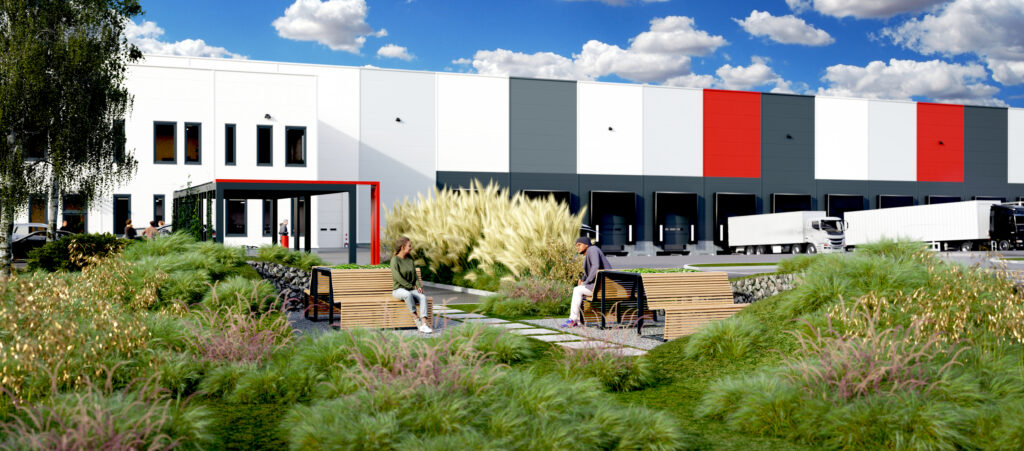
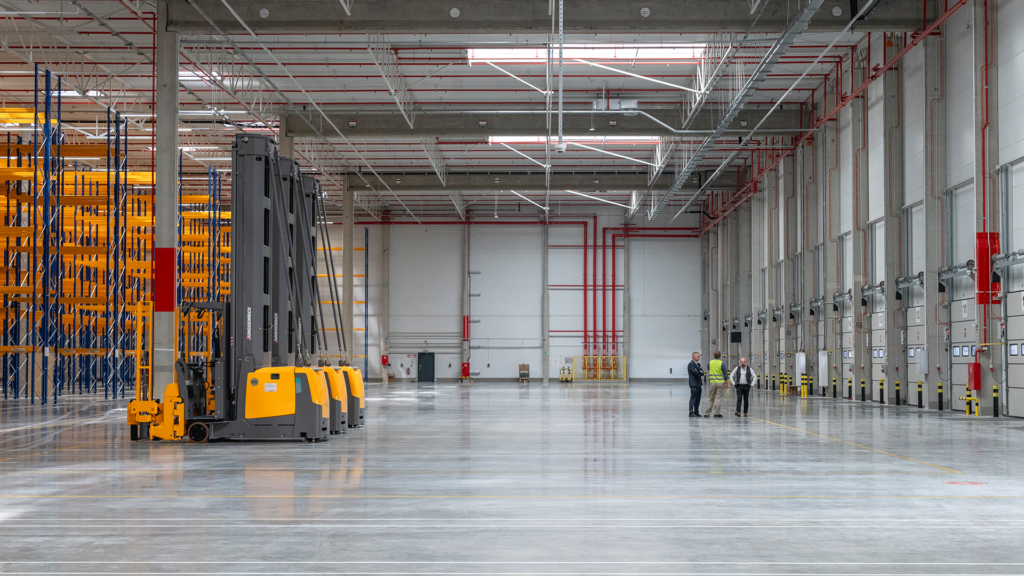
The term “modern warehouses” refers to storage facilities that utilize innovative solutions to streamline their operations, taking full advantage of the benefits of supply chain automation. A modern warehouse makes optimal use of available space, facilitates the transport of goods both within and outside the warehouse, and enables fast and error-free order fulfillment.
Warehouse quality and amenities are categorized into classes, with A+ and A++ being the highest. These facilities are characterized by the use of state-of-the-art technological solutions, and their design and construction meet the industry’s highest standards. A modern Class A warehouse is equipped with, among other things, a surveillance system, fire safety measures, appropriate lighting, as well as innovative technologies in the areas of automation and energy efficiency.
Modern technologies for warehouse spaces – Logistics 4.0 and the IoT
An increasing number of businesses are implementing innovative technologies that streamline warehouse operations, minimize the risk of errors, and improve the efficiency of individual logistics tasks. These solutions are based on a combination of the key areas responsible for the optimal functioning of a warehouse.
These solutions leverage advancements in fields such as big data, machine learning, and predictive analytics—technologies used in the Internet of Things (IoT) and so-called Logistics 4.0. Below are examples of the most popular and cutting-edge warehouse technologies.
- Warehouse management and inventory control technologies – the use of WMS (warehouse management systems), ERP (enterprise resource planning), and MES (manufacturing execution systems) facilitates, among other things, the management of warehouse operations, terminal operations, as well as order picking and storage.
- Automated warehousing – pallet and container stacker cranes, shuttle storage systems, WMS systems.
- Streamlined goods flow – machinery and equipment used for internal warehouse transport are being replaced by automated systems, which are essential for optimal supply chain management. These include, among others, container and pallet conveyors, AGVs (Automated Guided Vehicles), and AMRs (Autonomous Mobile Robots).
- Automated order-picking technologies – the use of cobots (collaborative robots), anthropomorphic robots, or systems that deliver goods to picking stations.
Examples of modern warehouse facilities in Poland
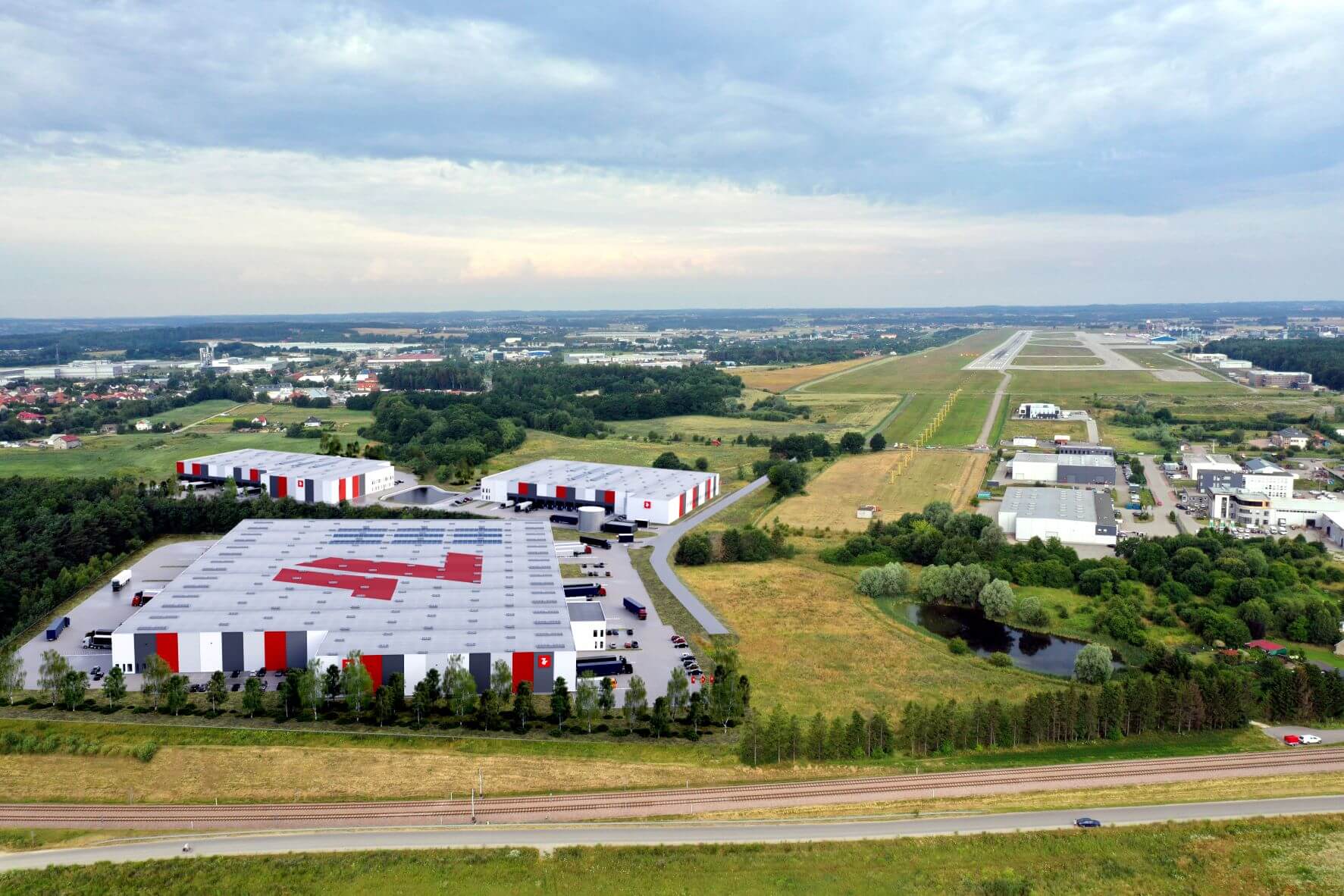
Our country has no shortage of facilities that stand out in the broader logistics industry. The solutions implemented in these facilities are considered state-of-the-art in terms of innovation, operational automation, and adherence to the principles of sustainable development and green building.
7R grows its business with care for the planet and local communities, and in accordance with the highest standards of corporate governance. Sustainable business is the foundation of 7R’s operations, which builds modern warehouse and production facilities while caring for the future of the planet through the use of green technologies. The ESG (Environment, Social, Governance) policy is integrated into 7R’s business model.
Challenges Facing Modern Warehouses – A Summary
Modern technologies and solutions for warehouse process automation enable effective cost optimization—leading, among other things, to a reduction in unnecessary investments in additional warehouse space. This is a great way to speed up and streamline many tasks related to goods storage and order fulfillment.
The warehousing industry is changing at a rapid pace to keep up with customers’ high expectations. It therefore makes sense to invest in modern, automated logistics facilities that are capable of meeting those expectations.
See also: