
Uncategorized
Where Can You Rent a Modern Warehouse in Warsaw and the Surrounding Area? A Guide to Logistics Clusters (2026)
The warehouse market in the Warsaw region is undergoing a profound transformation in 2026. Rising transportation costs, pressure for same-day delivery, and stringent EU ESG requirements mean that choosing a location is no longer just a matter of price per square meter. Warsaw and the surrounding Mazovia region constitute Poland’s most competitive logistics hub, divided into specific zones and clusters. How can you navigate these to optimize your supply chain?
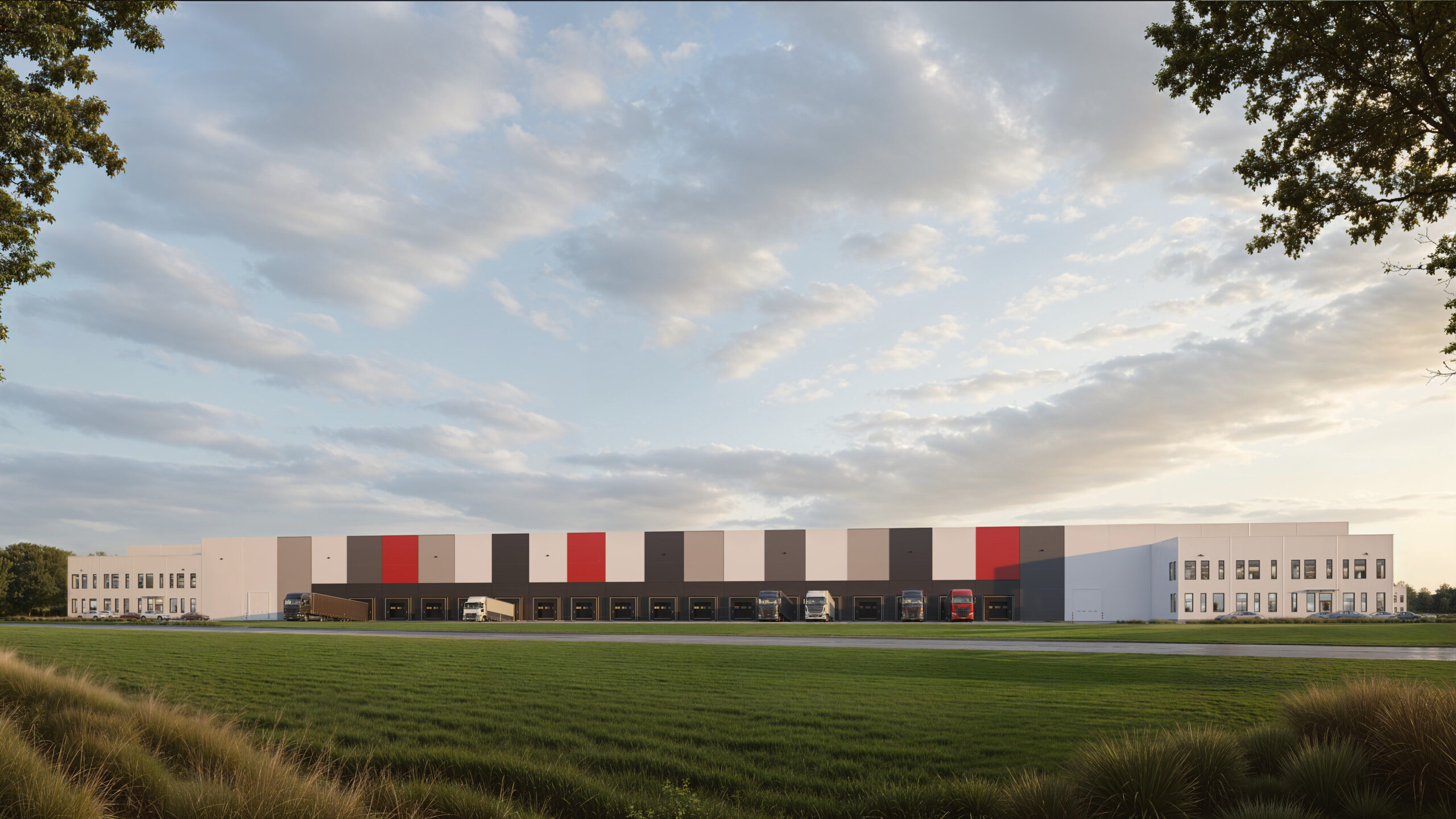
Warehouse location…
…must be derived from the operational model.
The Western Cluster…
…remains the region’s strongest distribution hub. Access to the A2 and DK92 makes the areas around Pruszków, Ożarów, and Grodzisk a strategic location for e-commerce and nationwide operations
Southern Warsaw is gaining ground as…
…an alternative to the west. Nadarzyn, Janki, Piaseczno, and Tarczyn benefit from access to the S7 and S8 highways, offering a solid base for FMCG, pharmaceuticals, light manufacturing, and BTS projects.
Rental price…
…should not be the sole criterion for the decision. A cheaper warehouse located farther from the city may result in higher transportation costs, longer delivery times, and greater operational pressure.
Where is the best place to rent a warehouse in the Warsaw area?
The best location for a warehouse rental in the Warsaw area depends on the company’s operational profile. For urban logistics and e-commerce, Zone I (within the city limits), which offers SBU modules, is the optimal choice, while for domestic distribution and heavy transport, suburban clusters (Zones II and III) located along the A2 highway and the S8 and S7 expressways are key.
Choosing the right cluster allows you to balance the two most important financial factors: the cost of renting the property (which decreases with distance from the city center) and transportation costs (which rise dramatically if the warehouse is too far from sales outlets).
An Overview of the Most Important Logistics Clusters Near Warsaw
Western Cluster (Ożarów Mazowiecki, Pruszków, Grodzisk Mazowiecki)
The Western Cluster is the historical and business heart of the Warsaw logistics sector. It encompasses areas located directly along the A2 highway (Pruszków and Grodzisk interchanges) and National Road No. 92. This location has the highest concentration of Big Box space.
- Advantages: Direct connection to the German market and Central Poland via the A2. Excellent access to a skilled workforce.
- Disadvantages: limited availability of new land for expansion, high competition among tenants.
- Intended use: central distribution hubs for e-commerce, third-party logistics (3PL), and the automotive industry.
Southern Cluster (Nadarzyn, Piaseczno, Janki, Tarczyn)
Developing rapidly along the S8 expressway (toward Wrocław/Silesia) and the S7 expressway (toward Kraków). The southern cluster has become an excellent alternative to the saturated western region, offering modern logistics parks with high technological standards.
- Advantages: an excellent starting point for distribution to the south and central parts of the country. Proximity to Fryderyk Chopin Airport (Okęcie).
- Disadvantages: increasing traffic volume on the approach routes to Warsaw during rush hour.
- Intended use: pharmaceutical logistics, FMCG distribution, light manufacturing, and production.
Eastern and Northern Cluster (Targówek, Marki, Radzymin, Nowy Dwór Mazowiecki)
It covers inner-city areas (Targówek Fabryczny) as well as suburban areas along the S8 route toward Białystok and the S7 road toward Gdańsk. Due to its proximity to Warsaw’s large residential districts, this is a key area for “last-mile” logistics.
- Advantages: the shortest travel time to end consumers in Warsaw’s right-bank district. Attractive terms for smaller business units.
- Disadvantages: higher rent rates in urban areas, restrictions on the weight of vehicles entering the city.
- Intended use: quick-commerce, dark stores, e-commerce, urban showrooms.
Table of Logistics Clusters in Mazovia (Comparison of Options in 2026)
Here are the key technical specifications and availability of space in the major clusters of the Warsaw region:
| Cluster Name | Major transportation routes | Availability of Land and Energy (2026) | Recommended Format / Object 7R |
| Warsaw City (Zone I) | S2, S8, Siekierkowska Route | Very low (severe shortage of plots and capacity) | SBU City Warehouse / 7R City Flex Warsaw |
| Western Cluster (Zone II) | A2 Highway, DK92 | Low (high market saturation) | Large Big Box / 7R Park Blonie / Grodzisk |
| Southern Cluster (Zone II/III) | S7 and S8 Expressways | Average (development of new projects) | BTS Warehouses / 7R Park Warsaw South |
| Eastern Cluster (Zone II) | S8 Expressway, DK61 | Average (e-commerce potential) | SBU and City Logistics / 7R Park Warsaw East |
Warehouse developers in the Warsaw area—who is building the most modern facilities?
Several key institutional developers operate in the Warsaw market, including global giants and specialized regional players. The most important companies include Panattoni, Prologis, 7R SA, Hillwood, and MLP Group.
By 2026, competition among developers had shifted from a focus on sheer volume to a focus on engineering innovation and environmental standards. Companies such as 7R stand out in the market thanks to their integrated approach to BTS (Build-to-Suit) projects and their uncompromising implementation of ESG taxonomy. 7R’s properties in the Warsaw region are designed according to net-zero standards (photovoltaic systems, advanced smart metering, heat pumps), which directly translates into lower operating costs (OPEX) for tenants.
FAQ – Frequently Asked Questions About Warehouses in Warsaw
This article is based on hard market data and technical specifications provided by the commercial real estate developer 7R SA.
About the author
Author's Bio

Read more
Related articles
 Article
Article
Article
Article
Article