The solutions offered by 7R, which exceed industry standards, enable tenants to better manage their resources while improving the efficiency of their operations. – We listen to what our customers expect,…
The solutions offered by 7R that exceed industry standards enable tenants to better manage their resources while improving the efficiency of their operations. “ We listen to what our customers expect, but from the very beginning we provide them with solutions that exceed market standards at no additional cost. The goal is to improve efficiency, although this can mean different things for each industry,” says Joanna Ociepka-Wojciechowska, Leasing Director at 7R.
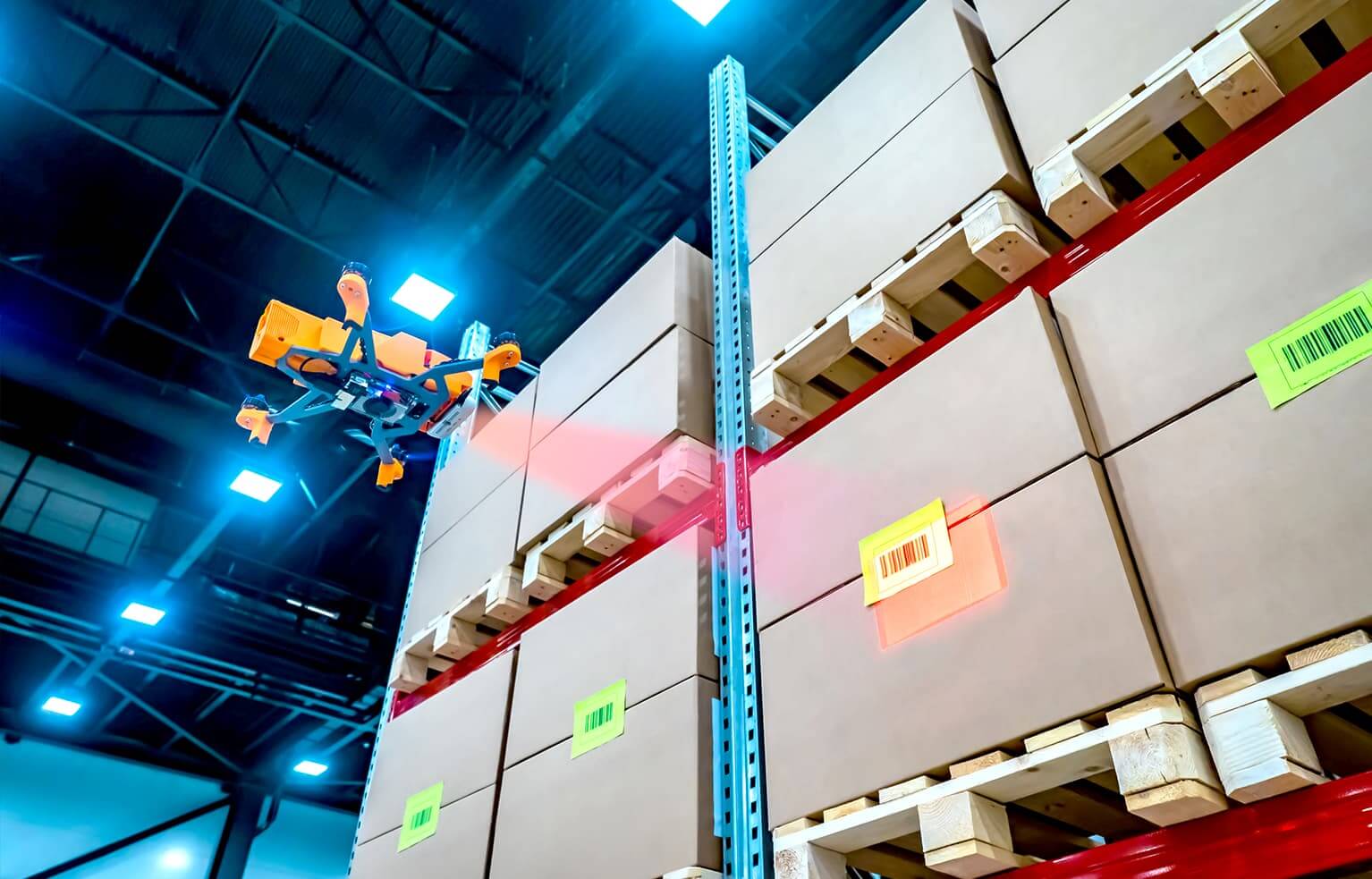
One way to better control costs is to use a DALI LED lighting system—the lights turn on exactly where an employee enters and turn off where no movement is detected. This also applies to areas outside the warehouse, such as hallways, restrooms, etc. The use of modern lighting solutions reduces tenants’ electricity bills by as much as 48 percent.
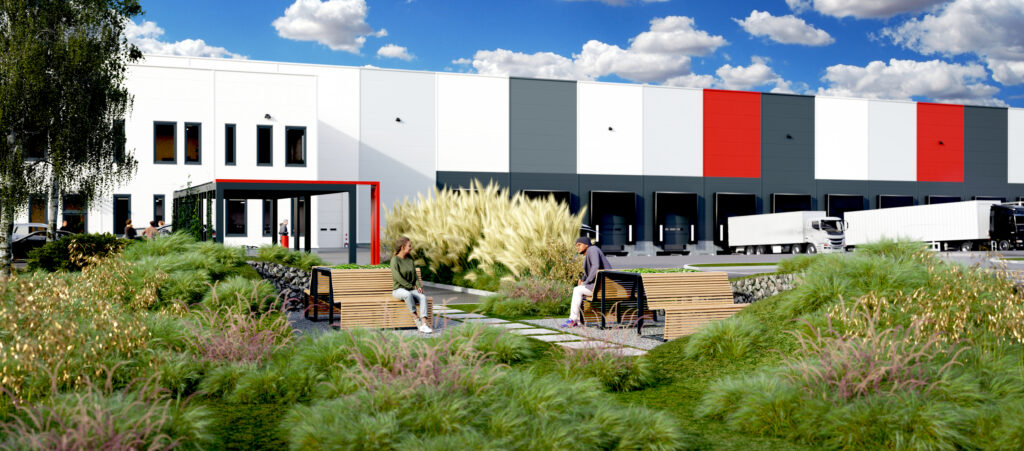
Aerators in faucets and the use of rainwater for watering greenery also contribute to a significant reduction in utility costs and resource consumption. 7R is also keeping pace with new trends—for example, by installing electric vehicle charging stations at its facilities.
Soon, urban logistics will rely on zero-emission vehicles. Logistics companies such as DHL and InPost have already ordered electric vehicles for their fleets. By developing the necessary infrastructure, we are preparing for a trend that has already begun and will soon become part of our everyday lives.
argues Joanna Ociepka-Wojciechowska
XXL Sprinklers
7R also invests heavily in the security of its facilities. Warehouses require a complex fire protection system with a sprinkler-based fire suppression system installed in the ceiling. These systems activate automatically in the event of a fire. Depending on the industry, tenants have very different expectations regarding the safety of their people and assets.
“In 7R warehouses, instead of 240 ESFR sprinklers, we install 360 ESFR 5.2-bar sprinklers with a larger fire suppression tank, which allow flammable goods—such as tires—to be safely stored higher up, even at heights of up to 9.1 meters above floor level,” says a 7R expert.
This is a modern system that operates on a zone-by-zone basis. When a fire breaks out in one section of the warehouse, the sprinkler system activates immediately only in the section that requires it. As a result, the entire facility is not flooded, and the area at risk is protected.
“Solutions of this kind are particularly important for clients in the automotive sector, which is one of the most demanding industries in terms of fire protection,” emphasizes Joanna Ociepka-Wojciechowska. “Our facilities are built to the American NFPA standard, which sets the most stringent safety requirements for people working in production and warehouse facilities.” A detailed analysis of the product range establishes fire safety guidelines for the storage of these goods, which in turn leads to lower insurance costs for tenants,” she adds.
Tailored to your needs
The solutions offered by 7R also help optimize the use of available space. Many of the developer’s properties feature multi-level mezzanines, which are required by tenants in the e-commerce and automotive sectors, among others. This is a highly labor-intensive solution that poses significant challenges in terms of both design and construction.
“The level of complexity and the costs involved depend on the scale of the project, the quantity, types, and storage methods of the inventory, as well as, among other things, how many people can be on the mezzanine at any given time. We must remember that when carrying out this type of project, people and their safety are the top priority,” says the 7R expert.
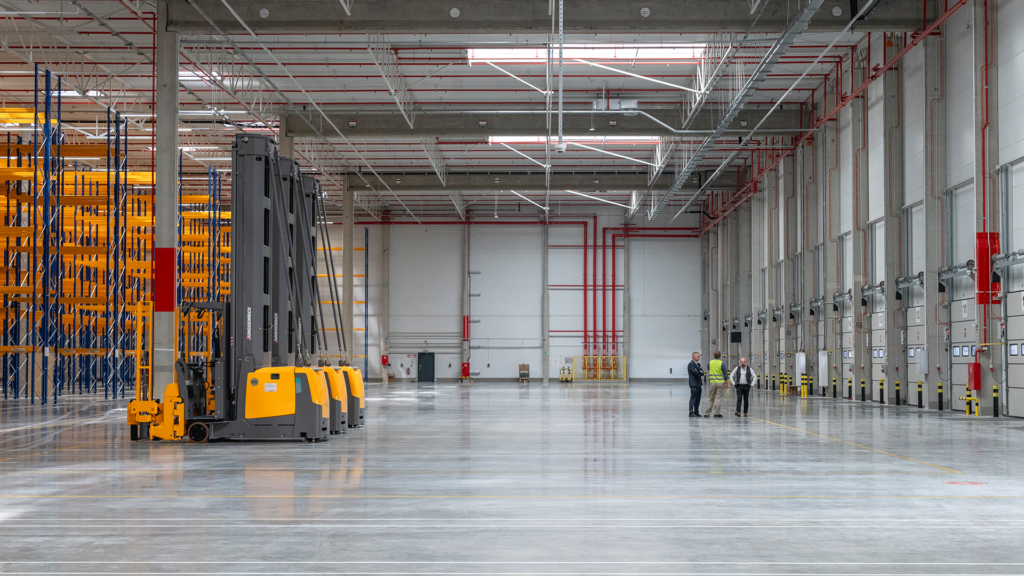
The construction of a mezzanine also requires a floor with a higher load-bearing capacity. In Class A warehouse facilities, the standard load-bearing capacity is up to 5 tons per square meter. 7R increases this to 7 tons per square meter, and if necessary—even up to 10 tons per square meter—in cases where the tenant stores heavy goods or machinery. A floor with a higher load-bearing capacity than the standard used in such facilities also allows for more efficient use of space, e.g., through the use of an induction loop.
About the author
Author's Bio
Lilianna (Elżbieta) Laudy
Marketing & Digital Manager
Lilianna Laudy serves as Digital & Marketing Manager at 7R SA, where she is responsible for developing digital and marketing initiatives that support brand visibility and online communication…