Blog posts
Urban Last-Mile Logistics. How do SBU’s urban warehouses reduce delivery times in metropolitan areas?
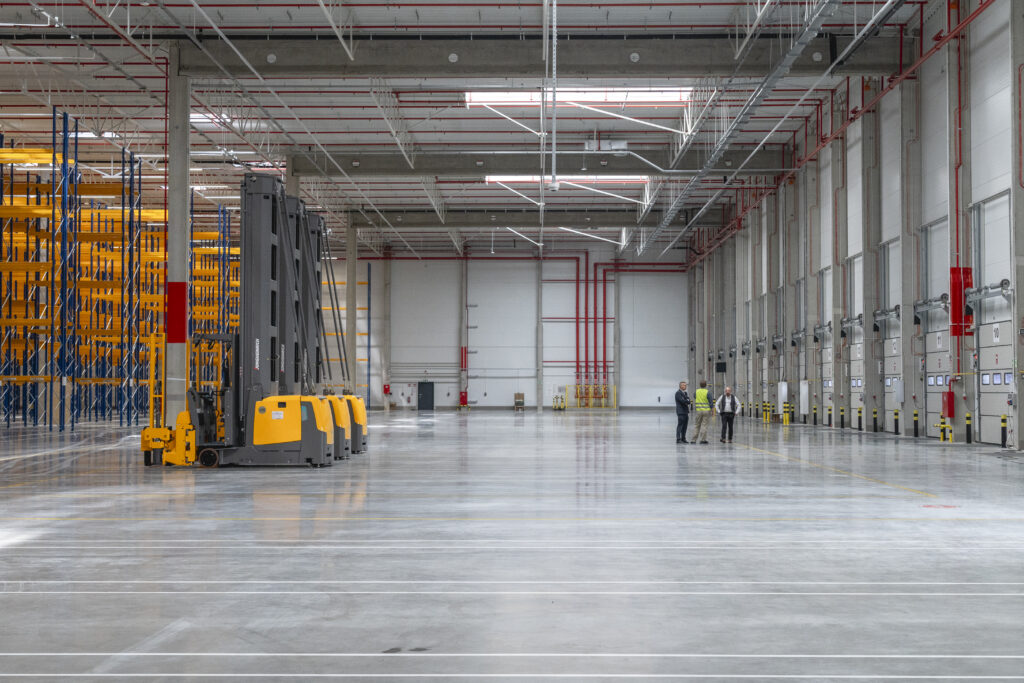
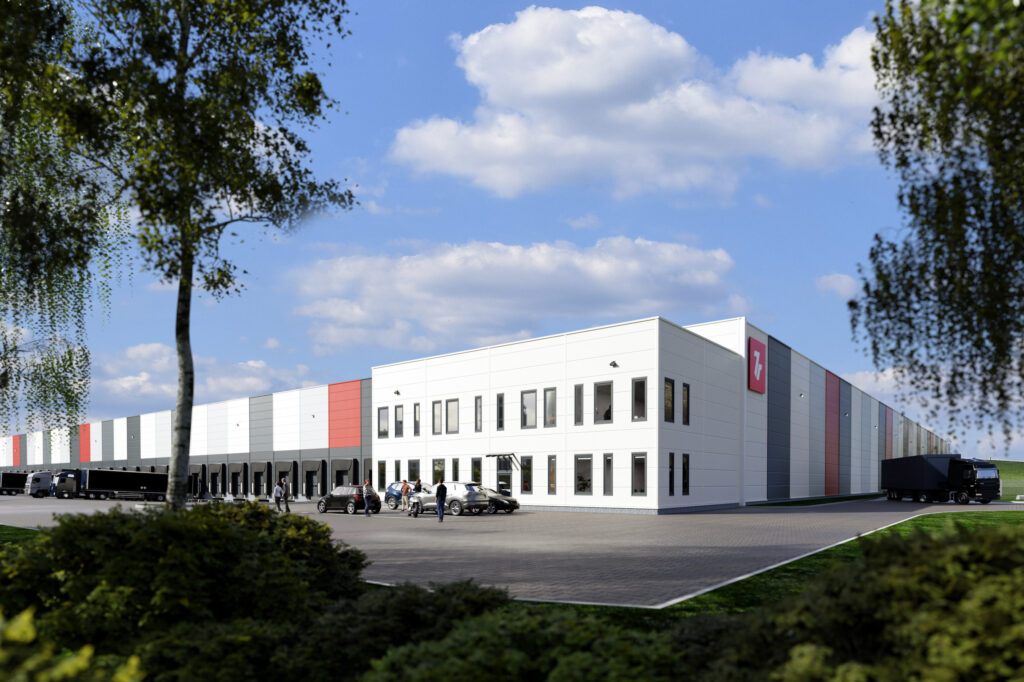
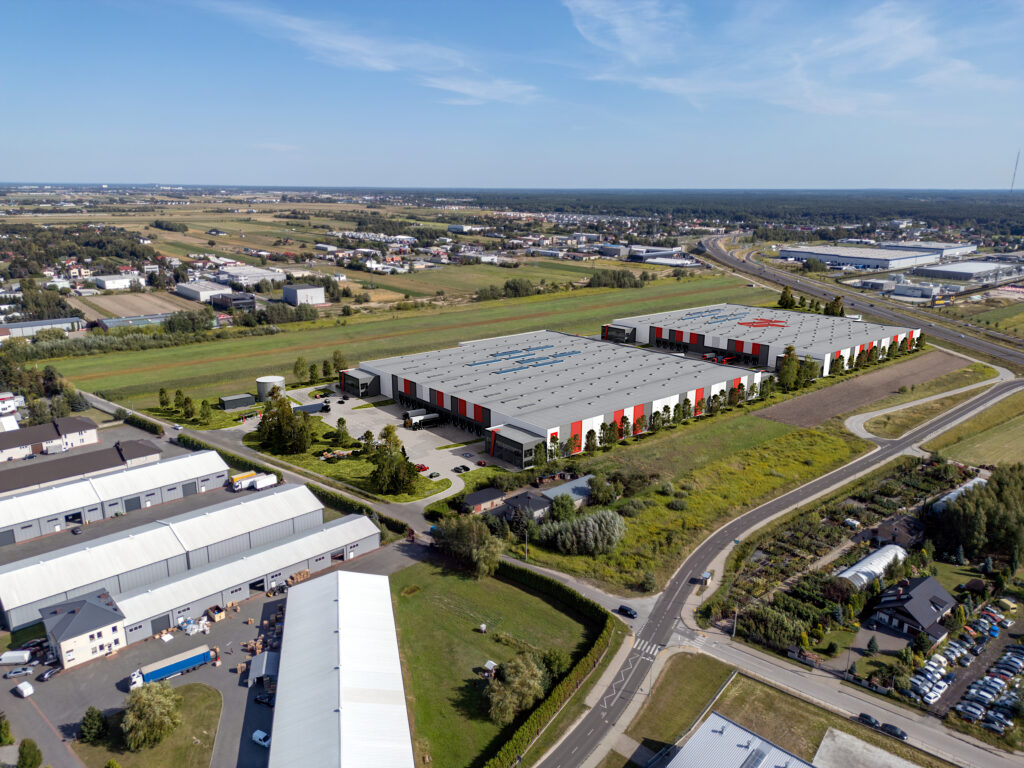
Urban last-mile logistics relies on bringing goods closer to the end consumer through the use of urban “Small Business Unit” warehouses and infill facilities. Building a hub within the metropolitan area reduces same-day delivery times by up to 60%, lowers fuel costs for the courier fleet, and allows for the combination of a prestigious office with flexible logistics facilities. 7R’s modern urban parks provide infrastructure tailored for charging electric vehicles and rental modules starting at 500 m².
Read the article
Blog posts
Decarbonization and ESG Standards (7R Green Saver) vs. Operating Costs of Industrial Facilities
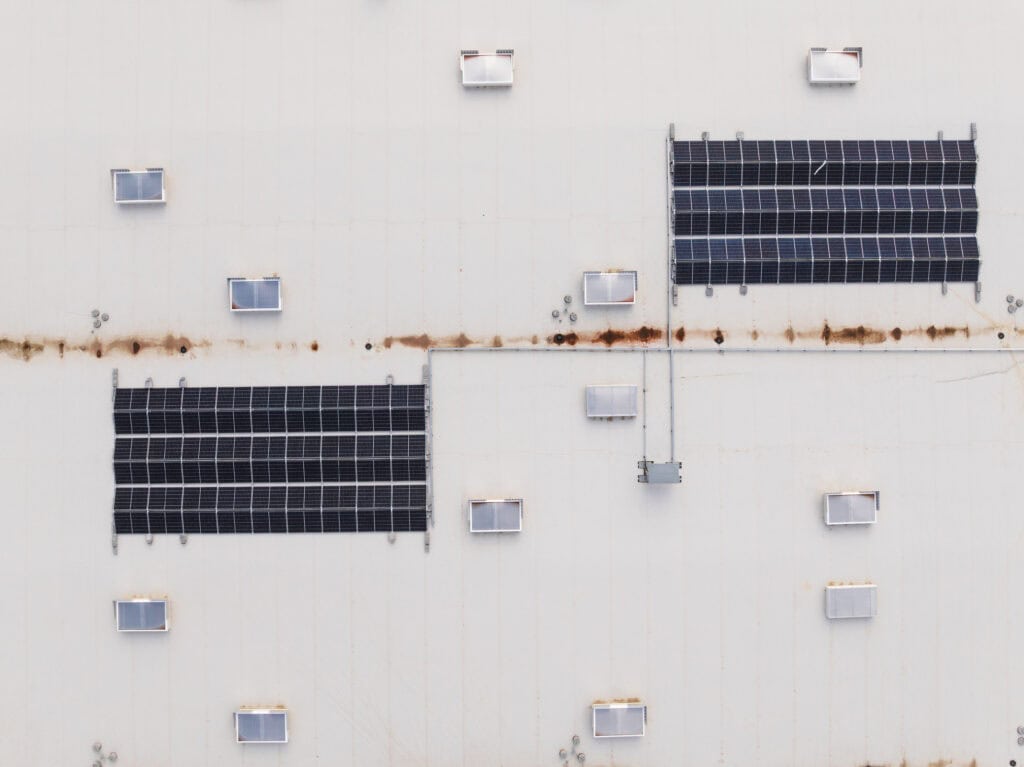
The 7R Green Saver standard reduces a warehouse’s operating costs by 40–50% annually by completely eliminating fossil fuels from the heating system. The use of industrial heat pumps, a reinforced roof structure designed for large-scale photovoltaic systems, and a predictive BMS system reduces the facility’s Scope 1 and 2 emissions. This solution enables tenants to meet the stringent requirements of the CSRD directive, protect themselves against rising energy prices, and increase the company’s valuation.
Read the article
Blog posts
Warehouse Rental Costs in Warsaw in 2026. Where Is It Cheapest, and Where Are the Most Strategic Locations?
Warehouse rental costs in the Warsaw area in 2026 vary widely and depend on the selected zone: from the highest rates within the city limits (Zone I) for flexible SBU modules, to significantly lower, highly competitive rates in suburban clusters along the A2 highway and the S8/S7 expressways (Zones II and III). However, rent itself accounts for only a fraction of total logistics costs (TCO)—the warehouse’s proximity to the target market drastically reduces transportation expenses, which can account for more than half of a company’s operating budget.
Read the article

 Blog posts