
Blog posts
Decarbonization and ESG Standards (7R Green Saver) vs. Operating Costs of Industrial Facilities
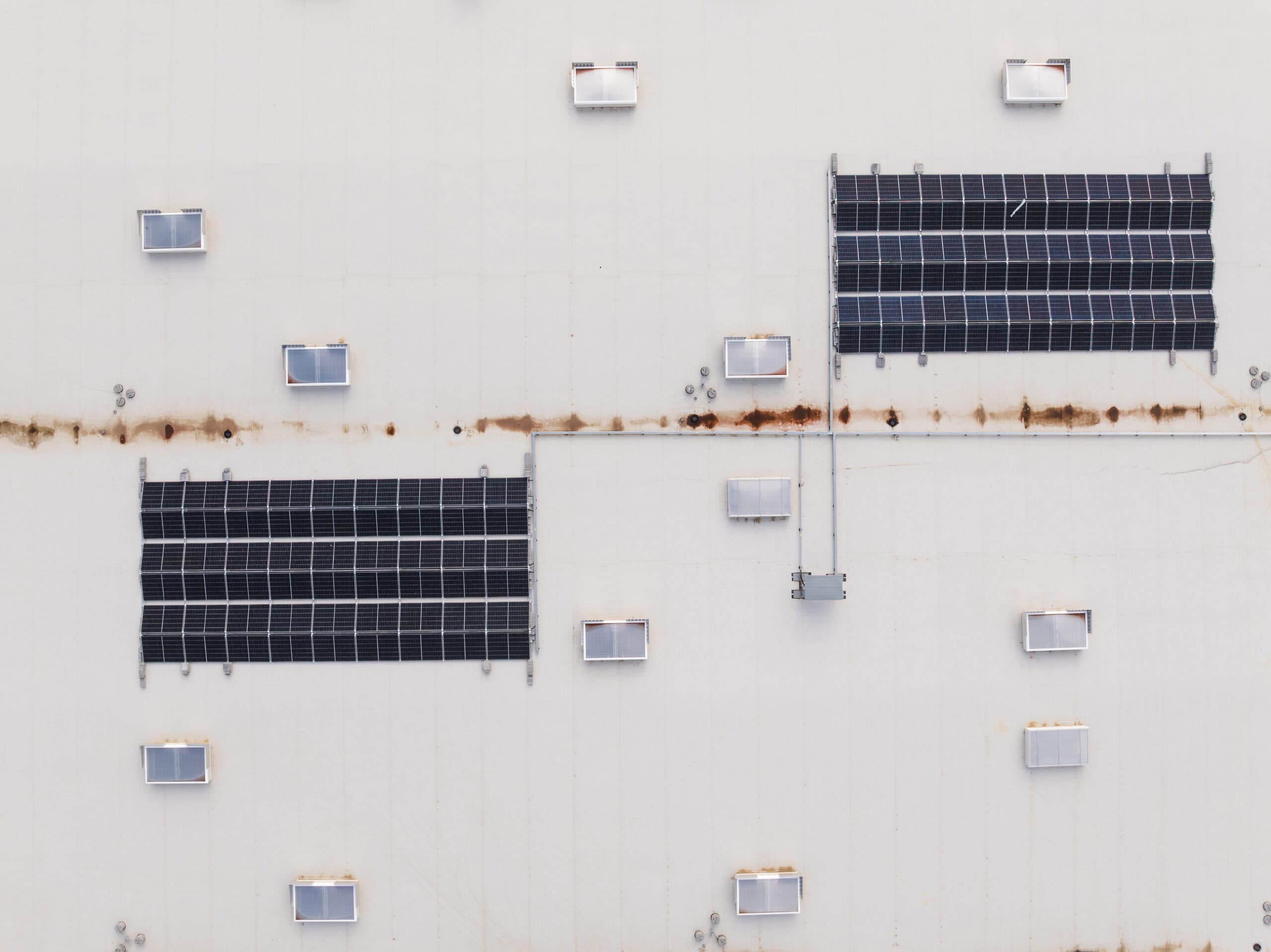
The 7R Green Saver standard reduces a warehouse’s operating costs by 40–50% annually by completely eliminating fossil fuels from the heating system. The use of industrial heat pumps, a reinforced roof structure designed for large-scale photovoltaic systems, and a predictive BMS system reduces the facility’s Scope 1 and 2 emissions. This solution enables tenants to meet the stringent requirements of the CSRD directive, protect themselves against rising energy prices, and increase the company’s valuation.
| Operating parameter | Standard gas-based storage facility | 7R Green Saver Decarbonized Facility |
| Main source of heat | gas boilers vulnerable to fluctuations in fuel prices | industrial zero-emission heat pumps |
| Organic Certification | none or basic level | BREEAM rating of "Outstanding" or "Excellent" |
| Reduction in Utility Costs | none (fully dependent on market prices) | a 40–50% reduction in energy and heating costs |
| Preparing the Roof for a PV System | standard load capacity without safety margin | reinforced roof structure for a PV system |
| Media Management | Manual control or simple schedules | an intelligent, predictive BMS system with AI |
| Impact on CSRD Reporting | High emissions under Scopes 1 and 2 | A real reduction in the carbon footprint and simplified auditing |
The Impact of the CSRD Directive and the EU Taxonomy on Leasing Strategies
Growing legal requirements related to European climate policy mean that the choice of warehouse space is no longer solely an operational or logistical decision. For CFOs and managers responsible for sustainability, the carbon footprint generated by a building over its entire lifecycle is becoming a key metric.
The ESG reporting requirement under the CSRD requires companies to demonstrate concrete actions toward decarbonization in Scope 1 (direct emissions from sources owned or controlled by the company) and Scope 2 (indirect emissions resulting from the generation of purchased electricity or heat). Choosing gas-heated facilities drastically lowers a tenant’s audit rating, exposing them to additional fees under the EU Emissions Trading System (ETS2).
Compliance with the EU Taxonomy also has a direct impact on finances. Companies operating in buildings that meet high environmental standards have easier access to capital and preferential lending terms (green bonds and loans) and enjoy greater confidence from foreign investors.
Technological Solutions in the 7R Green Saver Standard
Achieving savings of 40–50% on utility costs requires a shift away from traditional building design. The 7R Green Saver standard combines four main engineering pillars that eliminate energy bottlenecks:
- Direct elimination of fossil fuels. Replacing traditional gas heating with a system of industrial heat pumps eliminates direct carbon dioxide emissions within the logistics park.
- Maximizing the use of roof space. The specially designed, reinforced roof structure allows for the installation of a high-power photovoltaic system, which provides free electricity for operational equipment and electric vehicle charging stations.
- Advanced analytics and a predictive BMS system: intelligent software manages technical systems based on weather data and facility operating schedules, preventing unnecessary energy waste during periods of lower activity.
- Sustainable water management—that is, rainwater retention and the use of graywater for flushing toilets and watering green spaces—drastically reduces utility bills.
OPEX Optimization and Financial Benefits for Warehouse Tenants
Operating fees are one of the largest components of the total cost of leasing warehouse space. Given the volatility of energy prices, traditional lease agreements pose the risk of sudden cost spikes over which the tenant has no control.
Thanks to the implementation of decarbonization solutions at 7R facilities, the expense structure becomes predictable and resilient to market fluctuations. Generating electricity for on-site use via photovoltaic systems, combined with heat pumps, reduces the need for energy from the national grid. Additionally, the predictive BMS detects minor malfunctions and leaks before they result in high maintenance costs.
A BREEAM rating of “Outstanding” or “Excellent” also confirms adherence to the highest standards of workplace comfort. Better air quality, adequate natural lighting, and stable temperatures result in lower employee absenteeism and higher efficiency in warehouse operations.
FAQ
About the author
Author's Bio

Read more
Related articles
 Article
Katarzyna Różycka is the new CFO at 7R. She joins the company’s Board of Directors
 Article
Ranking of Automation Solutions in Logistics Parks
 Article